Inject by Schoolab
The digital platform for your projects and collaborative innovation programs.
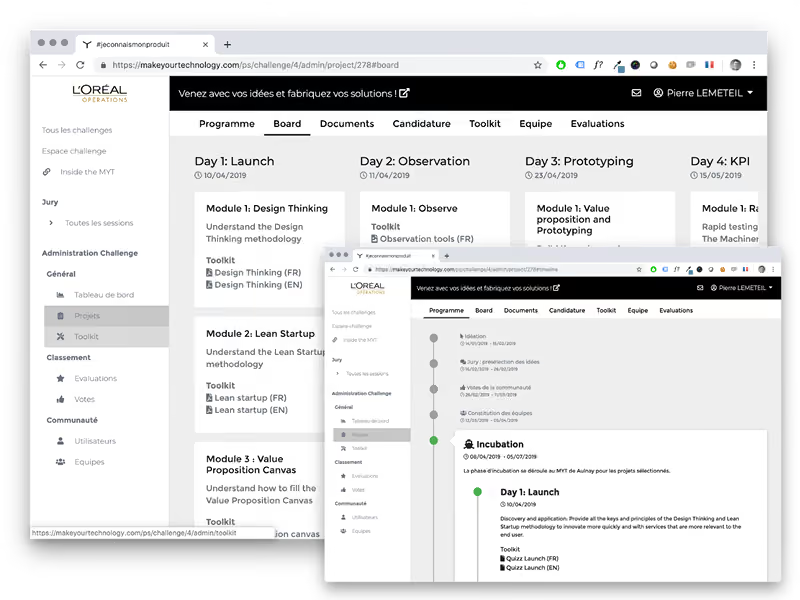
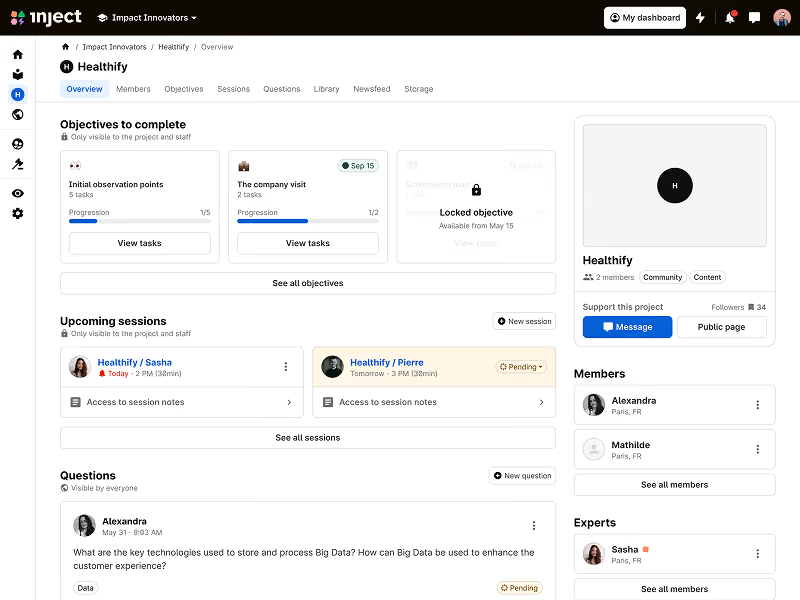
A complete UX overhaul & visual alignment
To fix the user experience, my early focus was:
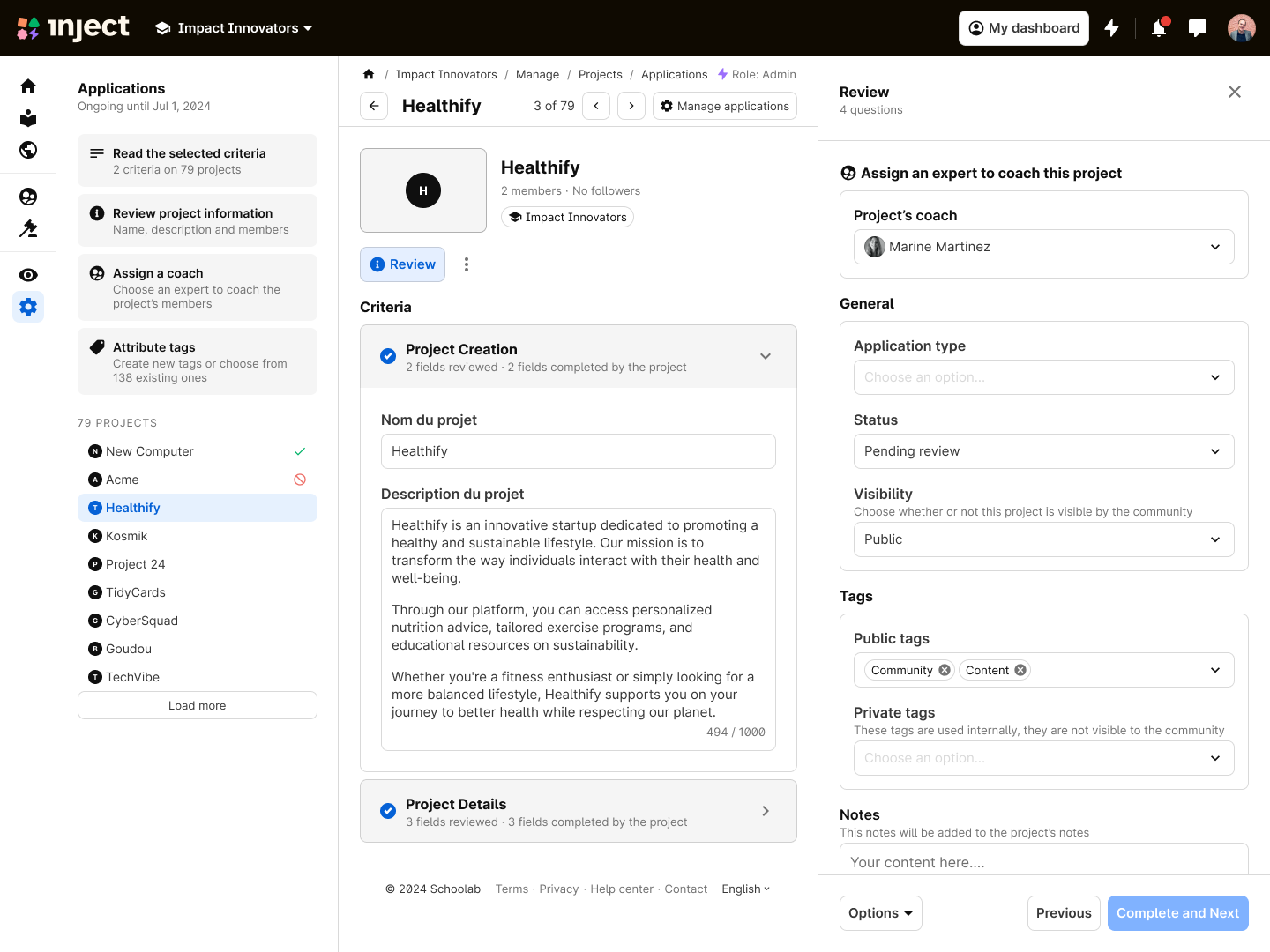
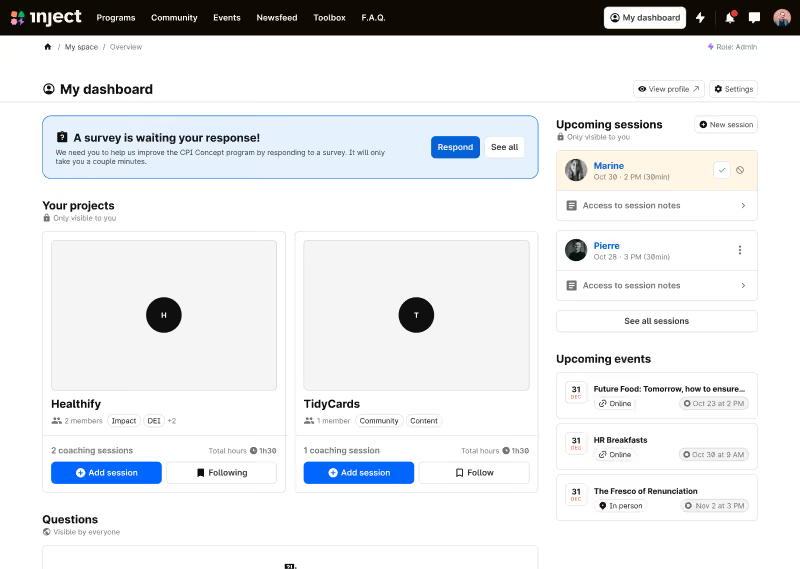
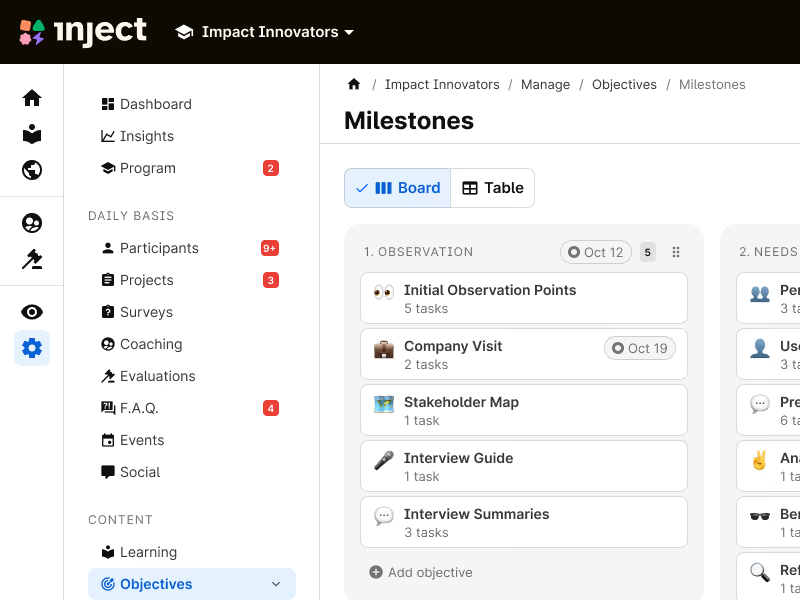
- Creating role‑specific spaces: The platform serves very different audiences (managers, participants and experts). We decided to clarify the architecture so each user type had a dedicated environment with only the tools they actually need.
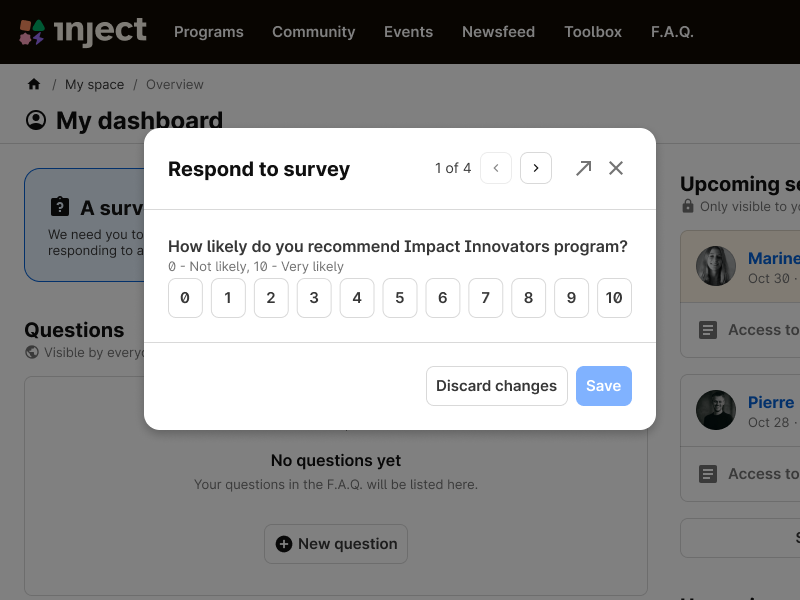
- Simplifying user journeys: I redesigned complex flows, like custom application forms and multi-step evaluations, to make them simple and intuitive.
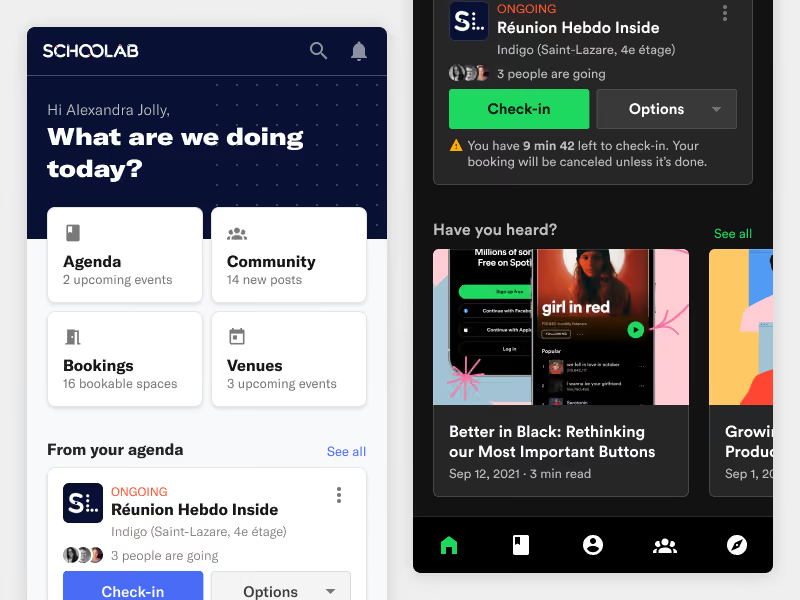
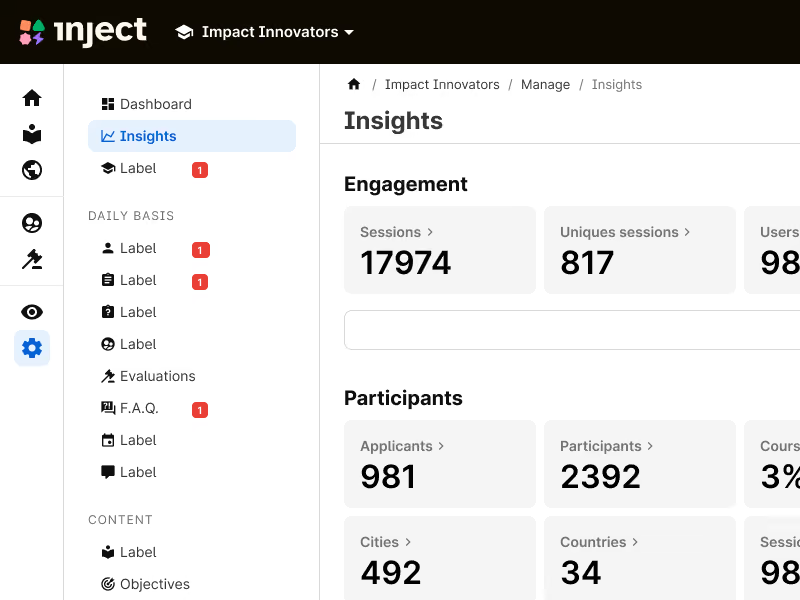
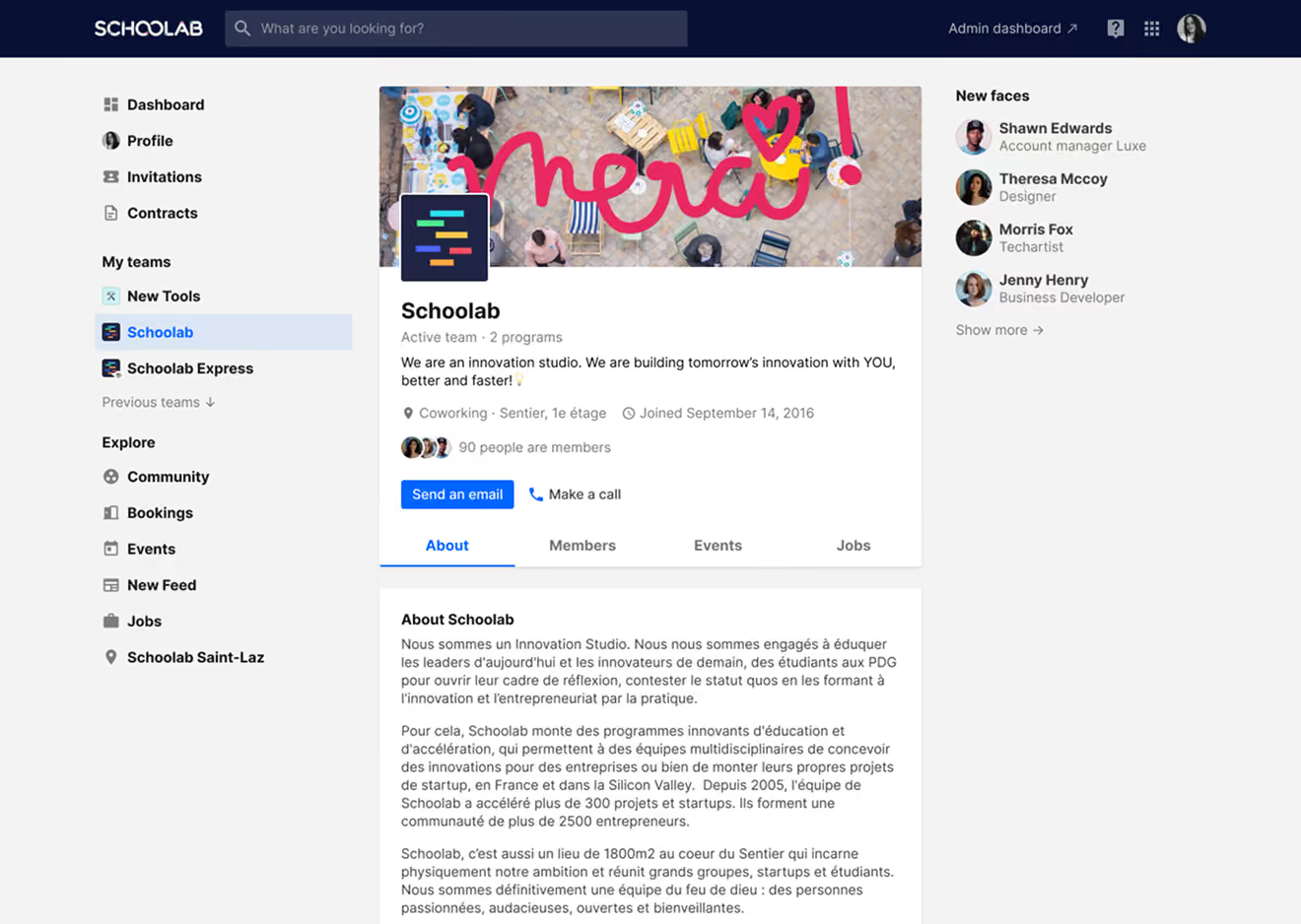
- Bridging the visual gap: We aligned Inject's interface with Schoolab's existing platform, "Inside", to create a unified suite of tools.
During this phase, I mapped out the core user journeys, redefined the information architecture and set the new visual foundations.

Building a unified Design System
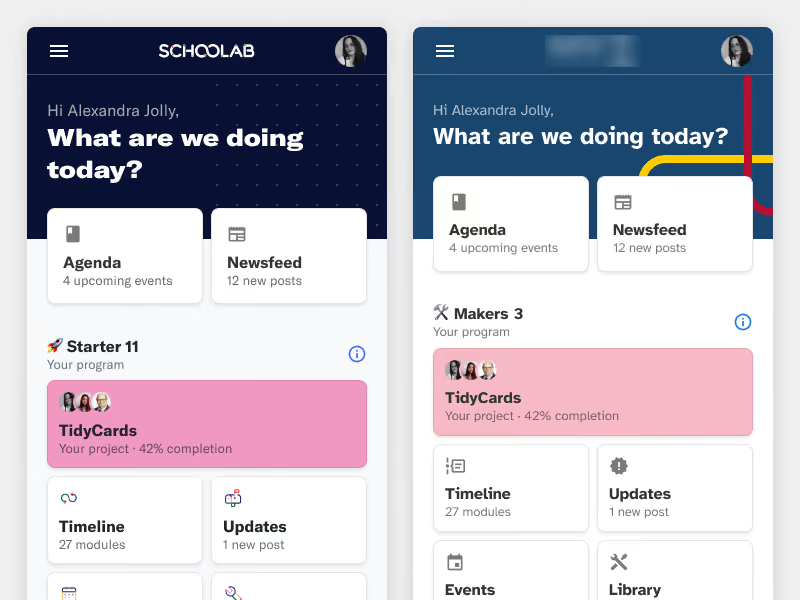
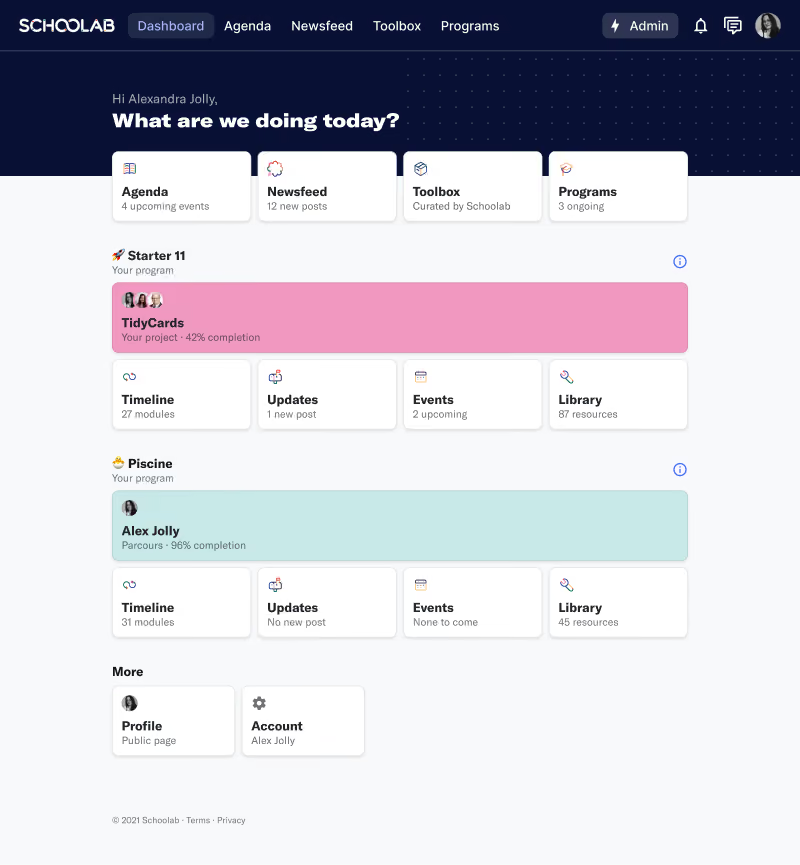
As the product grew, the goal expanded into making Inject a fully white‑label SaaS for large corporations, which required extreme flexibility.
Aligning Inject with our other tool "Inside" was just the beginning. Since both platforms were to be offered as white‑label solutions, it led me to build a unified design system for all of Schoolab's tools: the SL Product Language.
To answer these needs, I focused on a highly modular architecture:
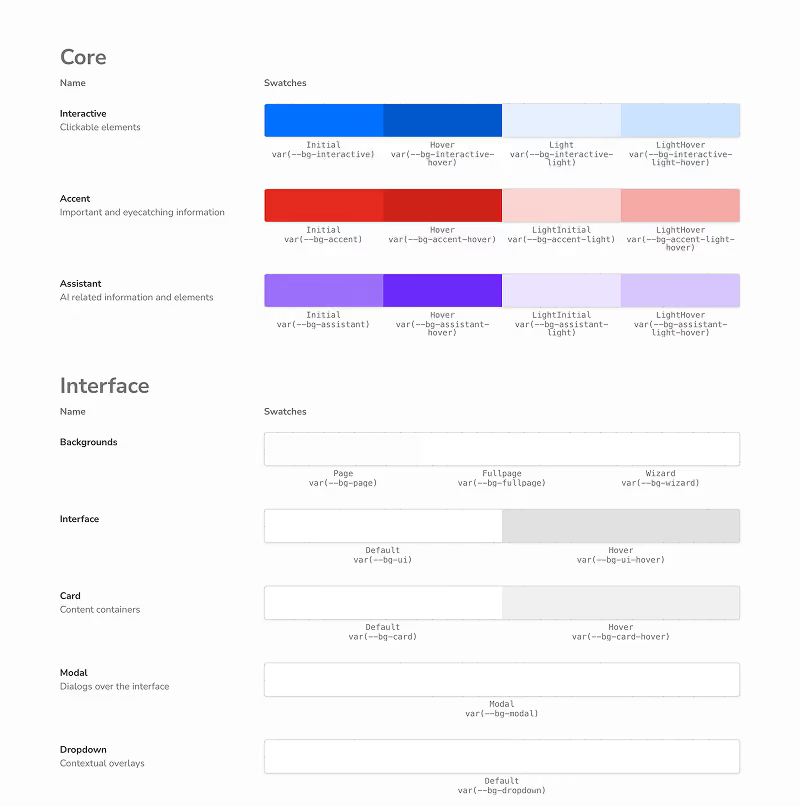
- Design Tokens & Branding: I structured color variables (primitives, themes, brands), spacing, typography, so any client's branding could be applied effortlessly.
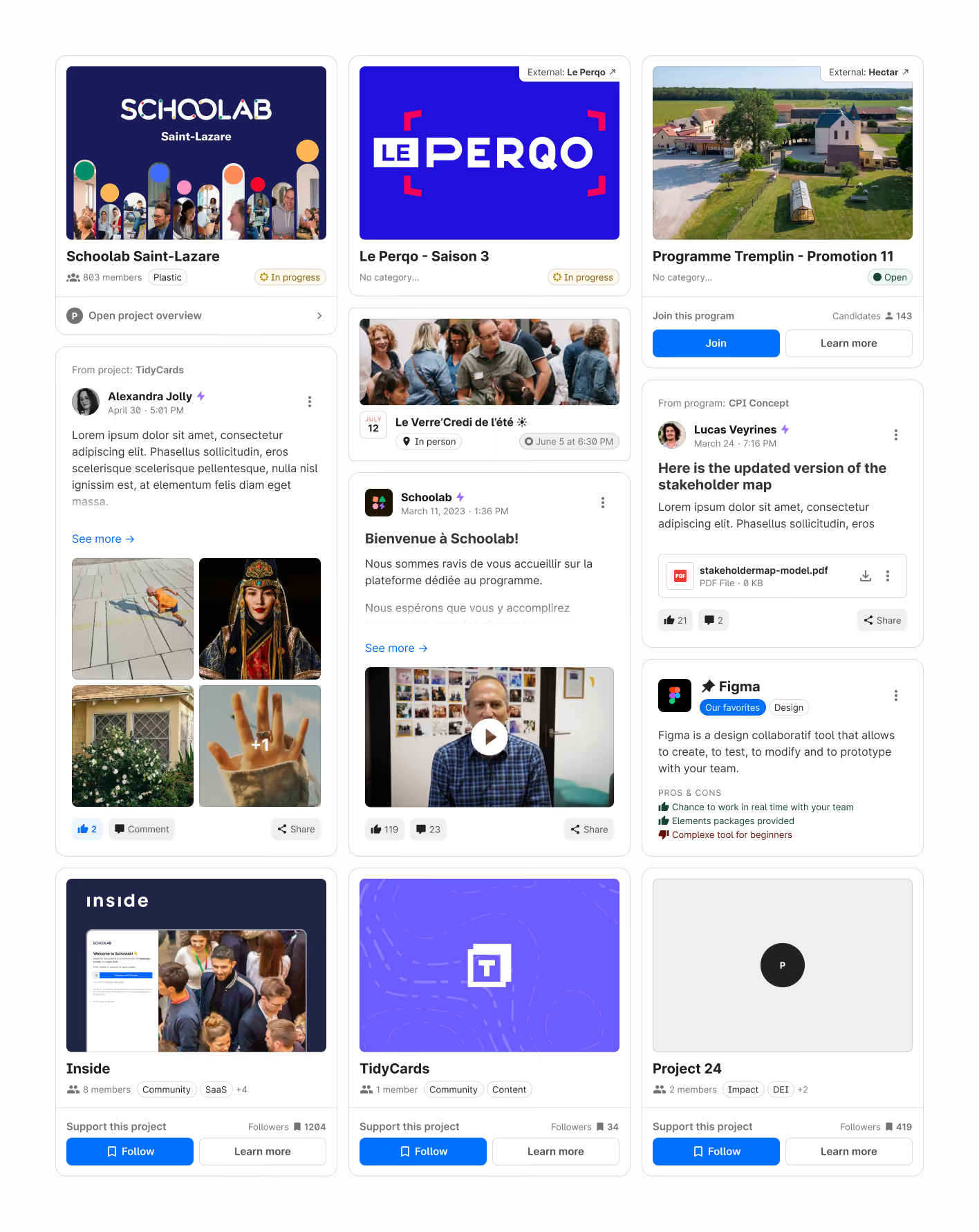
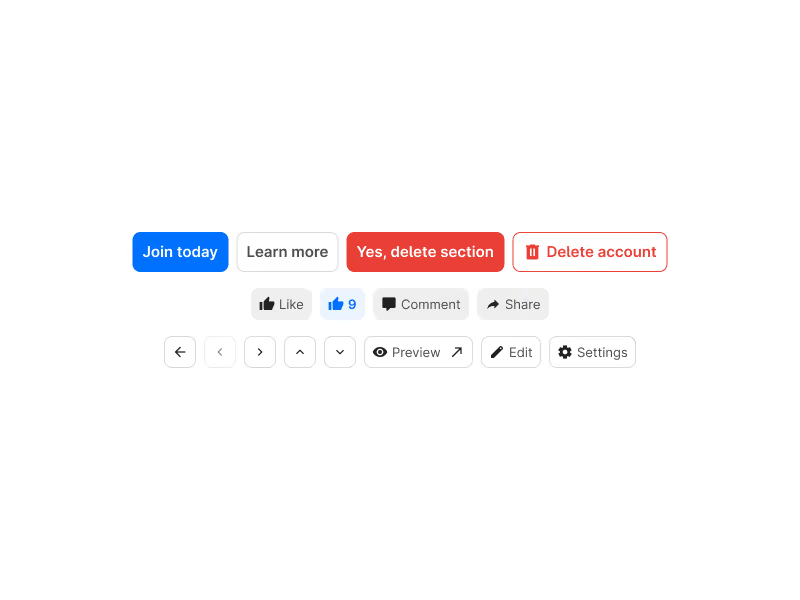
- Component Library: I designed the core elements needed for a heavy management tool, from dashboards to newsfeeds.
- Responsive Layouts: I made sure every feature felt natural on both desktop and mobile.
- Iconography: I built a comprehensive library of over 250 symbols based on Google's Material Design, and custom-designed around 20 specific icons to cover our unique business needs.
Bridging design and code together
Before tackling our next big features, we needed to find a better way for design and development to work together.
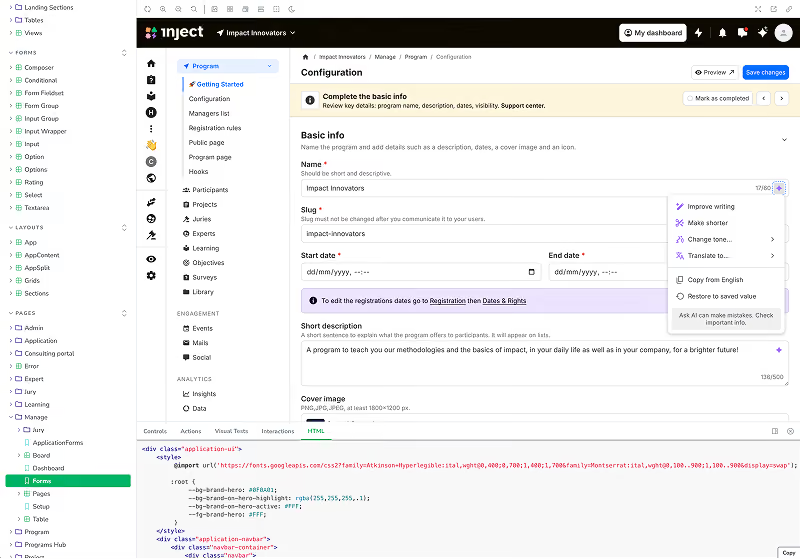
After our team set up a fresh Storybook environment, I started to cleanly integrate our UI components using our design tokens. By doing this, we finally linked design and development in a meaningful way.
Storybook became our single source of truth: a reliable way to deliver pixel‑perfect designs to the developers while ensuring our white‑label requirements were strictly respected.
Integrating AI
Building on the solid foundation we had laid, we tackled one of our latest and most ambitious features: integrating "InjectAI".
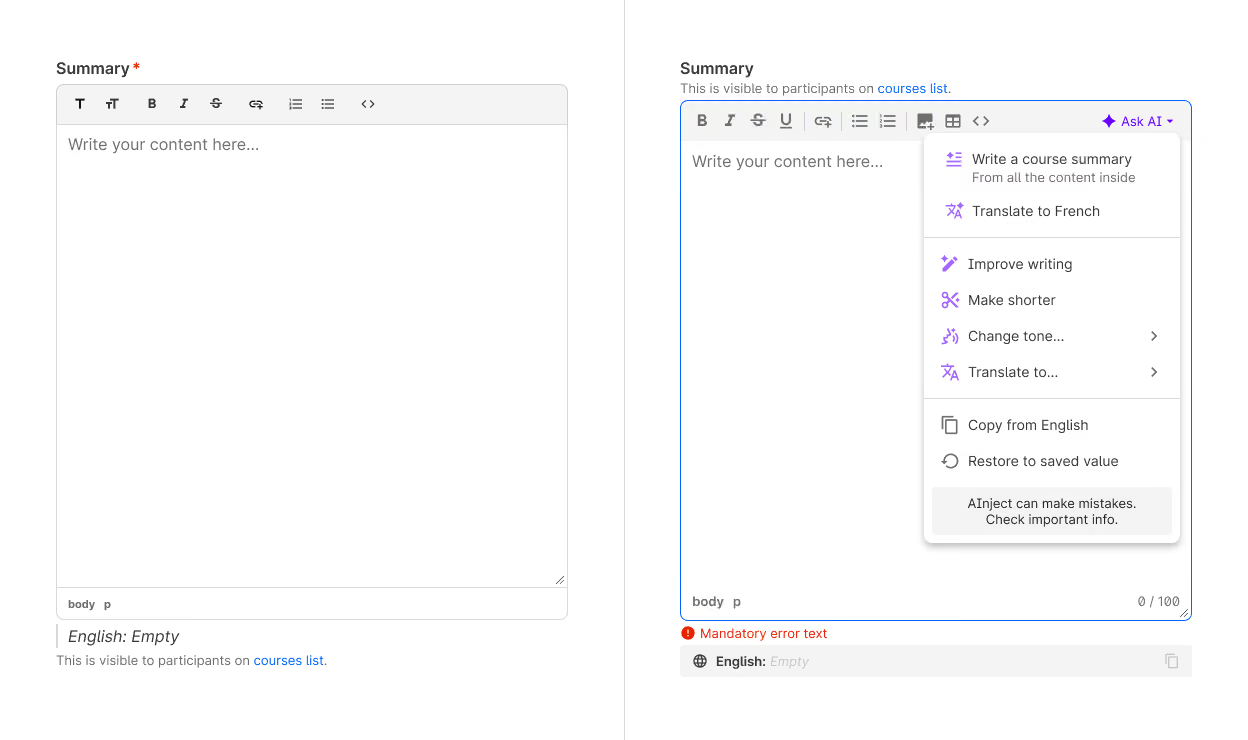
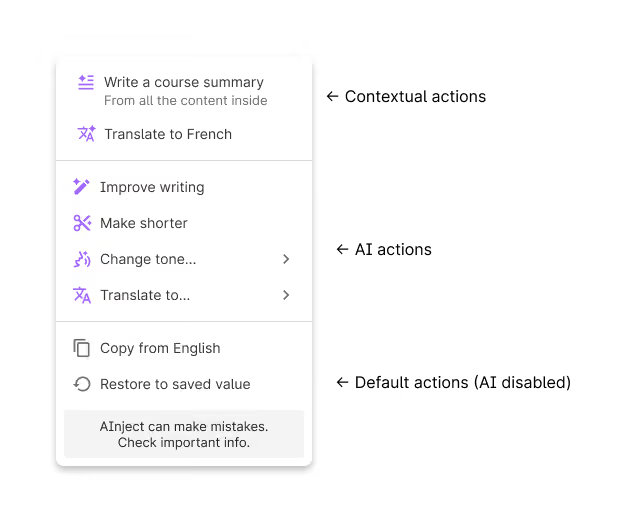
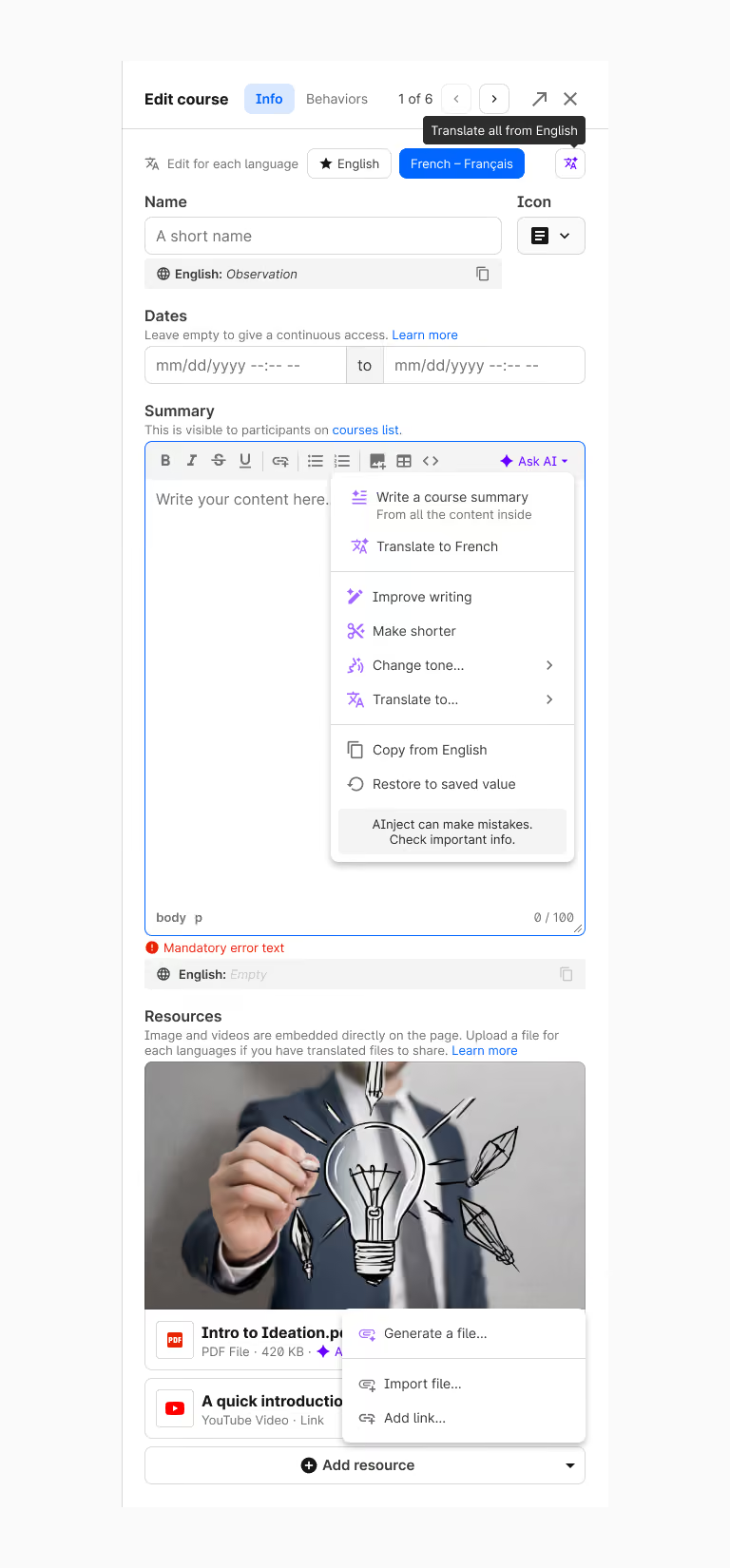
Managing innovation programs involves handling a massive amount of data and content. Our goal as designers was to make these new AI features feel like natural extensions of the user's workflow, deploying them systematically across the platform's 4 core features: Activation, Ecosystem, Expertises and Impact.
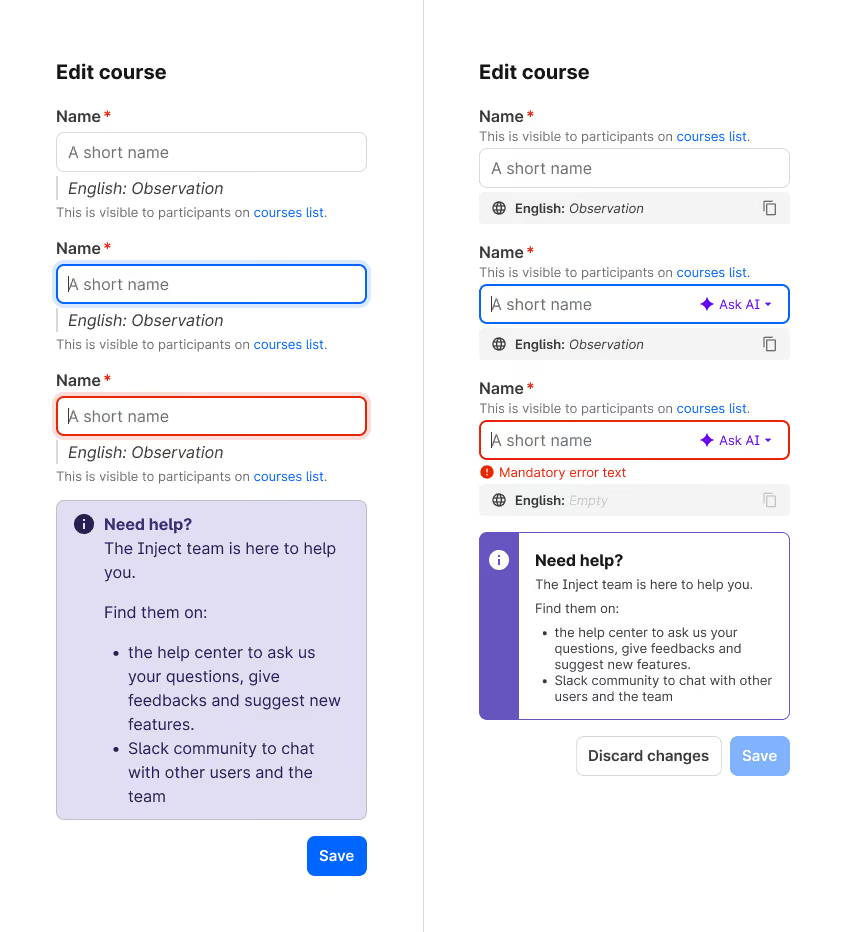
- AskAI: An interface helping managers to write impactful content for landing pages and emails.
- ChatAI: A conversation UI for admins to instantly access platform insights, expert profiles and project data.
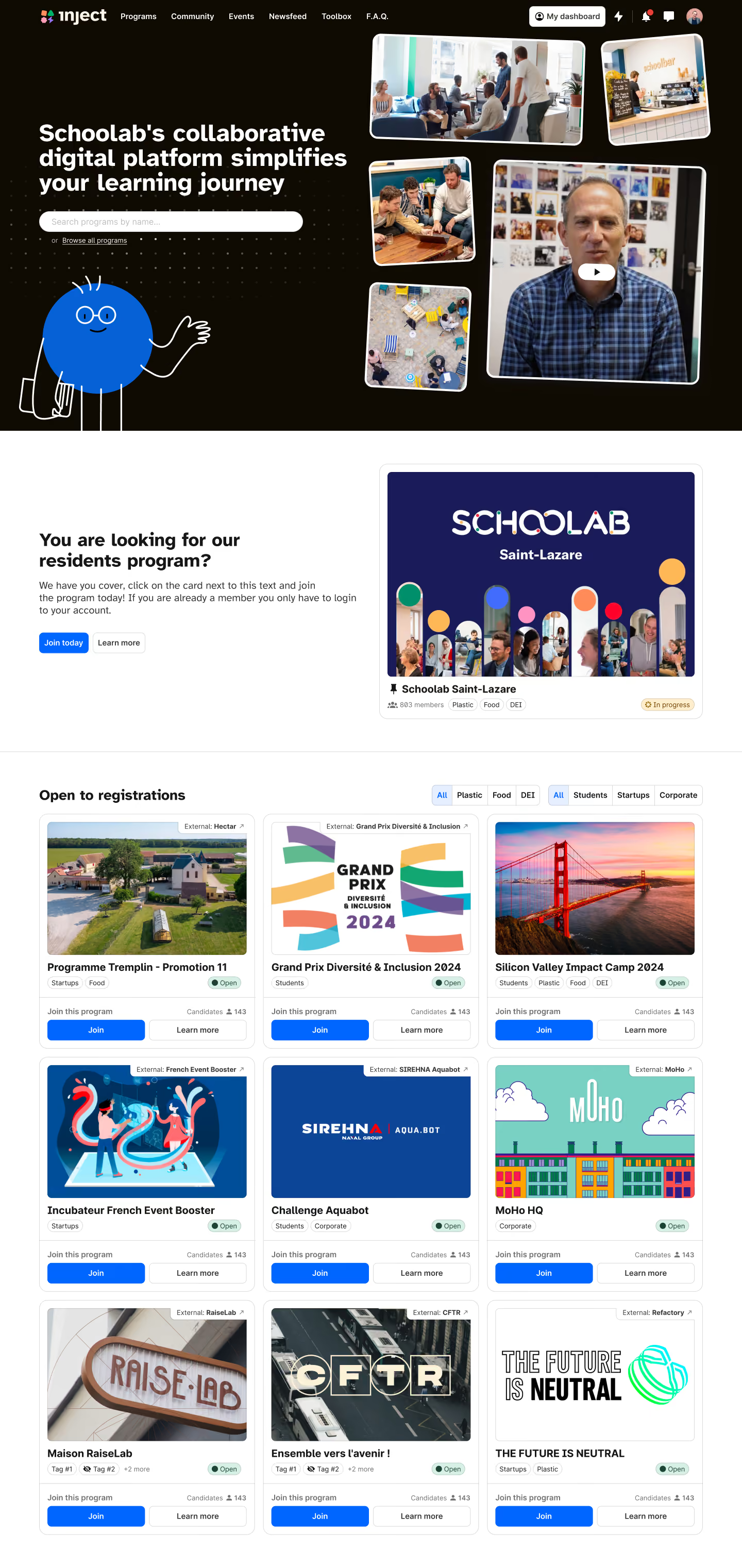
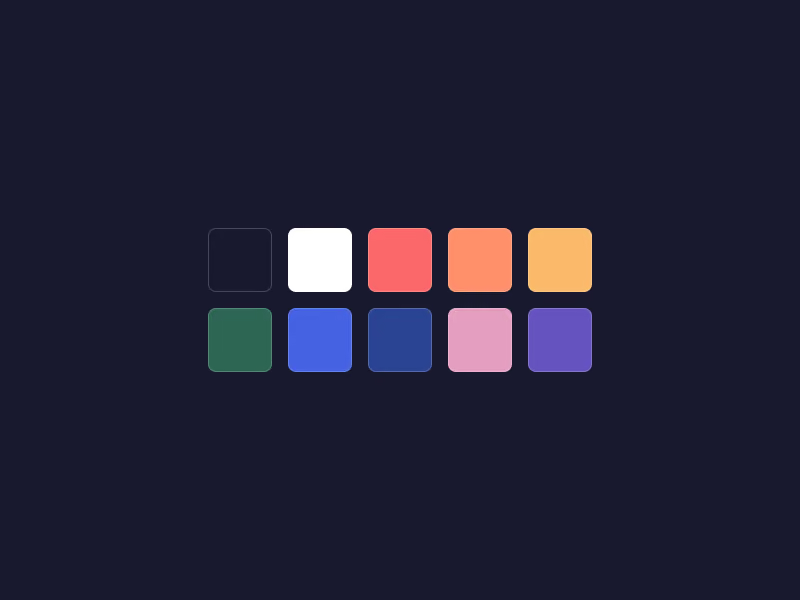
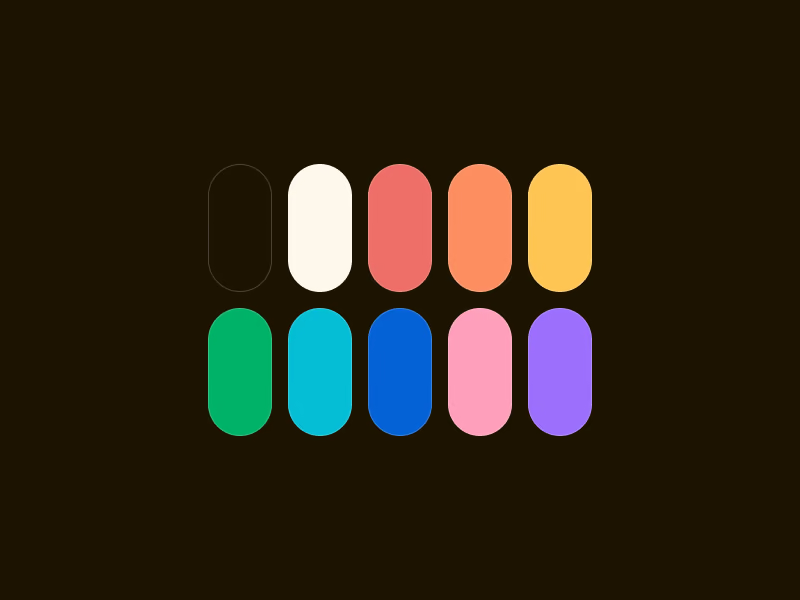
A rebrand and new marketing storefront


Outcomes & impact
Working on Inject for over four years has been a journey full of trials, some errors, but ultimately great successes.
From leading a complete UX redesign on my own, to building a robust Design System and eventually scaling the product's data and AI features with a full team, Inject has grown into a top‑tier innovation management platform.
Today, the impact is real: hundreds of clients and tens of thousands of participants have used the platform globally.
A few stats
NPS on 2023 for Schoolab's formations
people trained & supported through programs
More information
Contributors


Client

We worked together
I had the pleasure of working with Alexandra for several years on my team in her role as a Product Designer. She quickly established herself as a versatile professional—creative, rigorous, and highly solution-oriented.
She worked with agility across a wide variety of digital projects, including client missions, but most notably on our internal tools such as Inside (a coworking space management app) and Inject (our innovation program management platform).
Alexandra designed and maintained a comprehensive design system that provided structure and aligned with SaaS application standards. She possesses a deep understanding of web design and has the ability to deliver interfaces that are modern, consistent, and efficient.
Her knowledge of front-end development greatly facilitated collaboration with our tech teams. She is just as capable of prototyping and testing solutions as she is contributing to strategic discussions.
She is a well-rounded, reliable designer who is always proactive. Working with her was a real asset to the team.

Pierre Leméteil
I had the pleasure of working with Alexandra for several years at Schoolab. We collaborated closely on Inside, our internal platform for managing spaces, meeting rooms, and events.
Throughout our collaboration, Alex consistently demonstrated professionalism, strong organizational skills, and an outstanding ability to bring people together around shared goals. She navigates complex, fast-paced environments with ease and always approaches challenges with a thoughtful, solution-oriented mindset.
Beyond her technical and organizational strengths, Alex is a reliable, collaborative, and genuinely supportive teammate.
She creates a positive working environment while maintaining high standards of quality and execution. I would gladly recommend Alex to any team looking for someone who combines expertise, leadership, and a pleasure to work with.

Juliette Engel
Alexandra is a top-quality Product Designer. She possesses an exceptional digital design culture, complemented by strong front-end skills. She is both exacting and rigorous. I warmly recommend her.

Julien Fayet
My other works

Want to work together? Contact me!
Connect with me on LinkedIn with a message.