Inside by Schoolab
The digital platform to manage your innovation lab and community.
2016: Building the core experience
From a Google Sheet to a structured platform
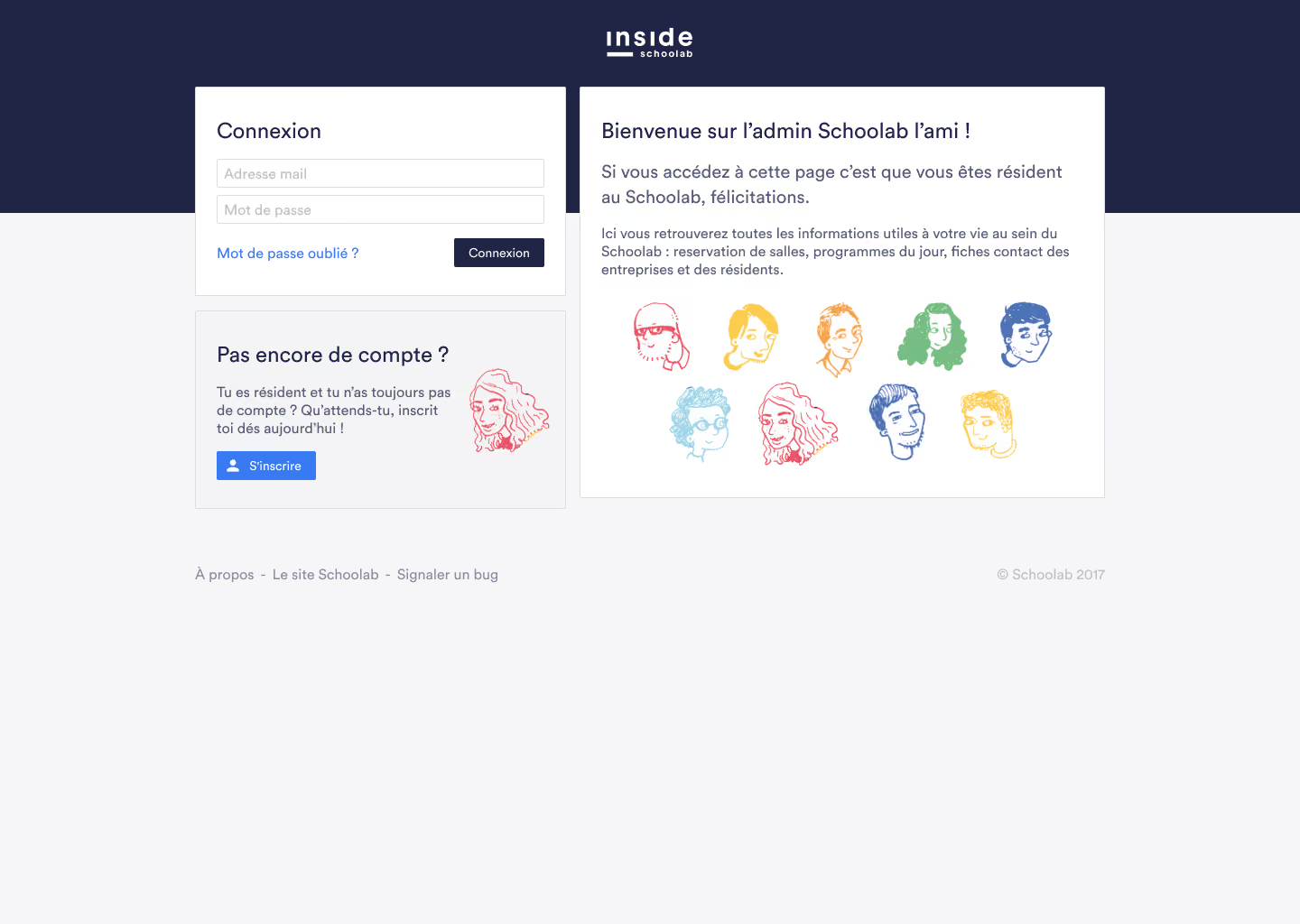
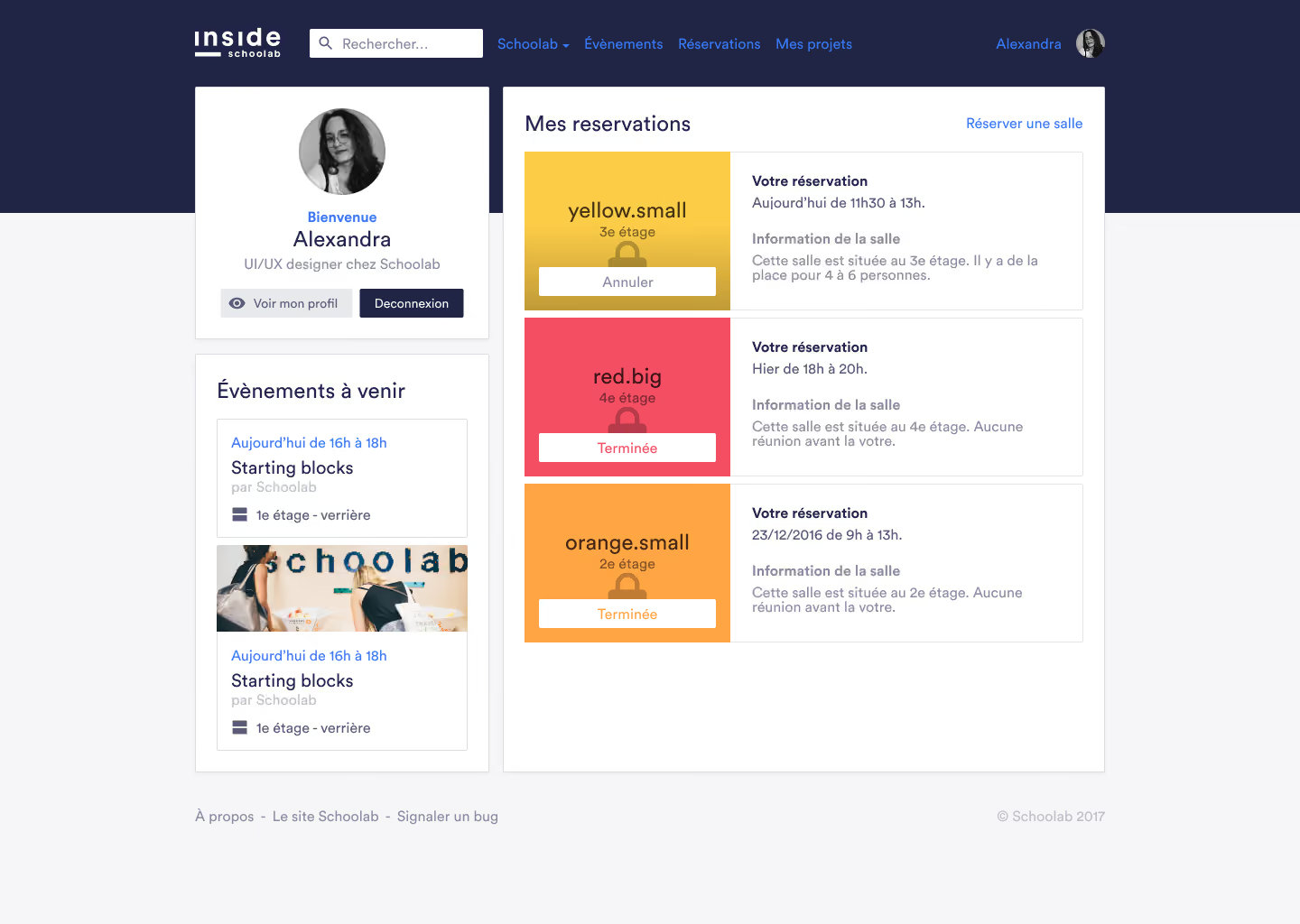
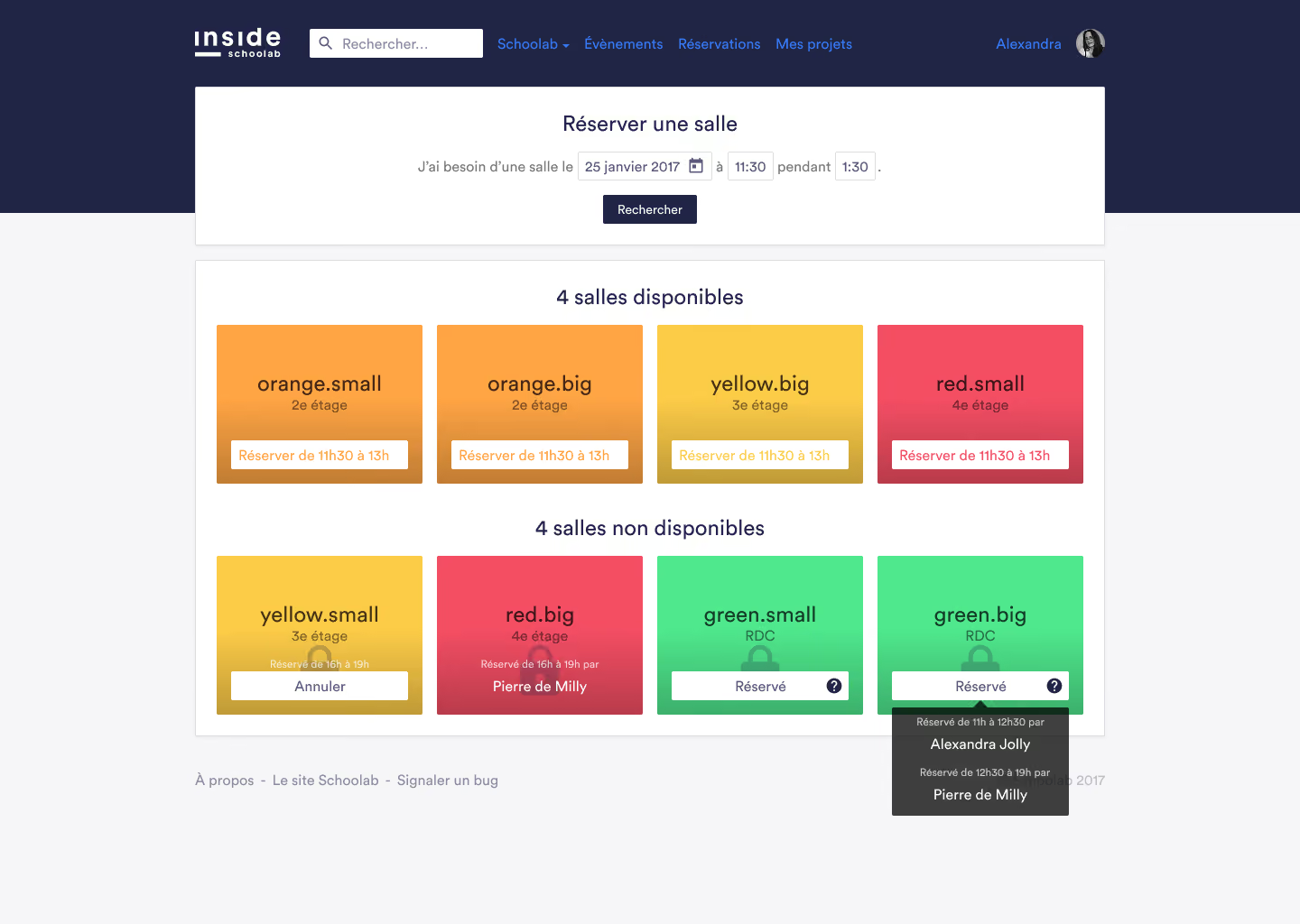
My first priority was to establish a solid foundation, releasing a first version that included a robust booking system and a dashboard to show user's bookings.
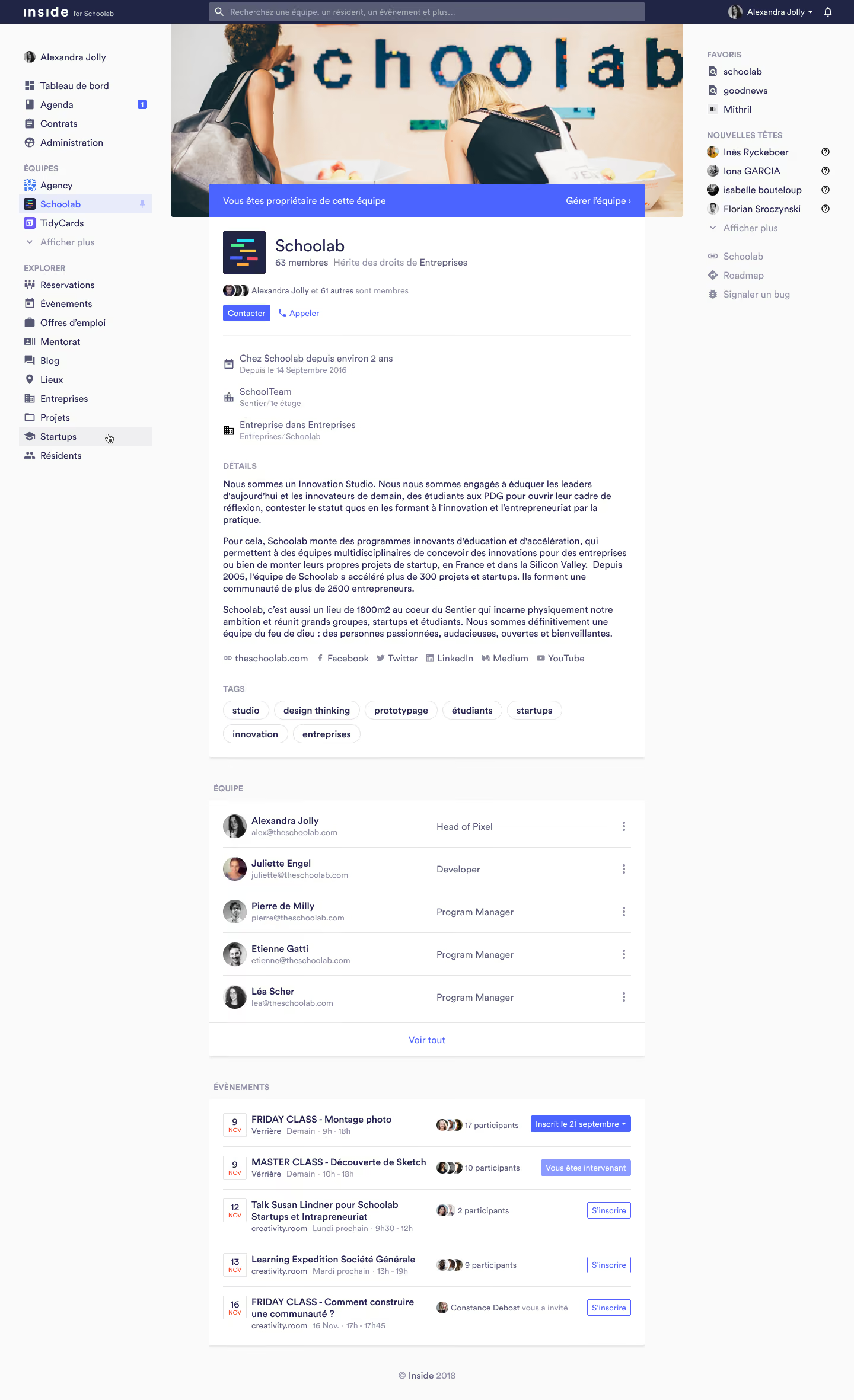
As the platform's adoption grew within our community, we expanded its scope. We introduced a new module to announce upcoming events, followed shortly by teams to group our residents teams together.
The first limits of a free for all
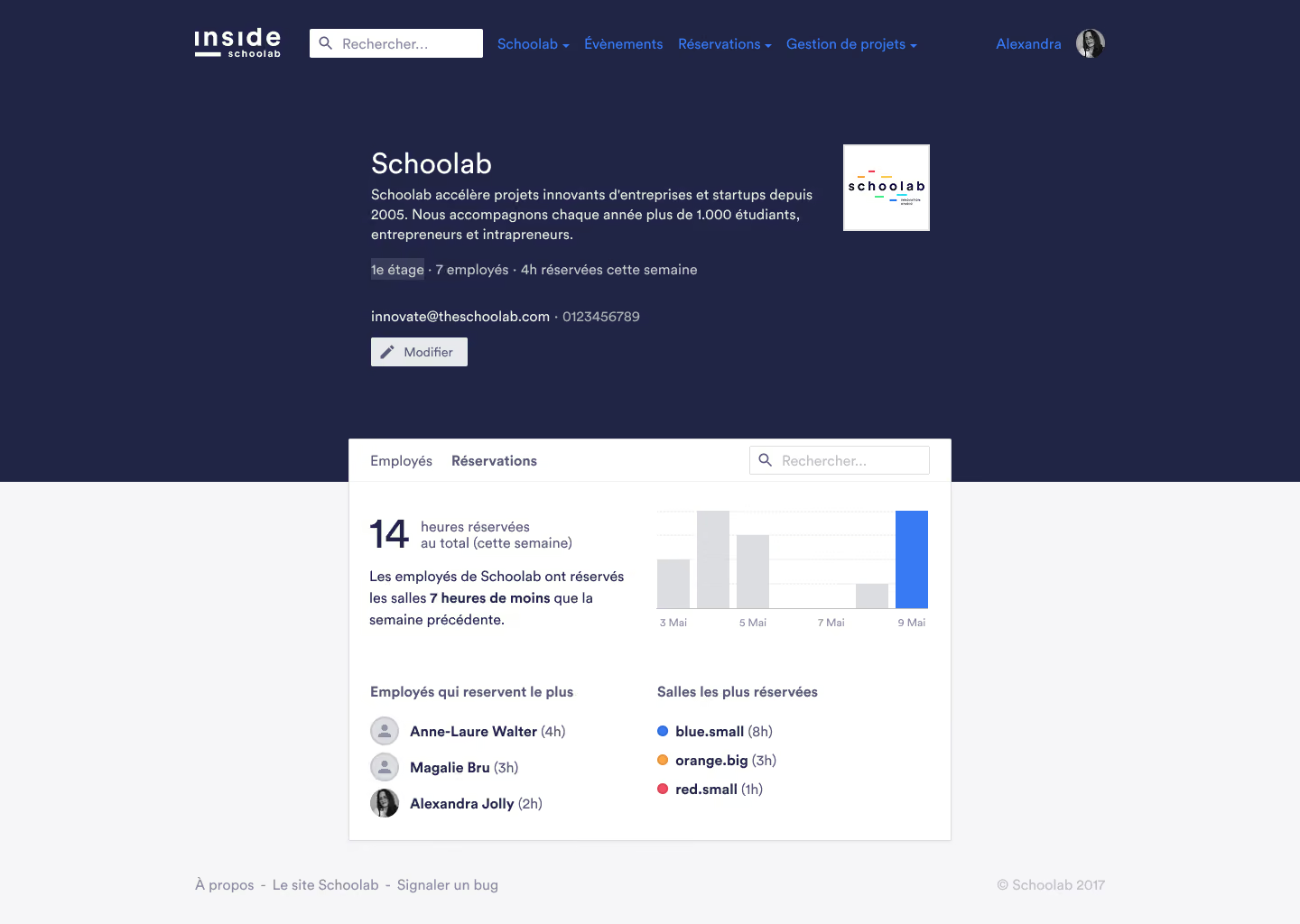
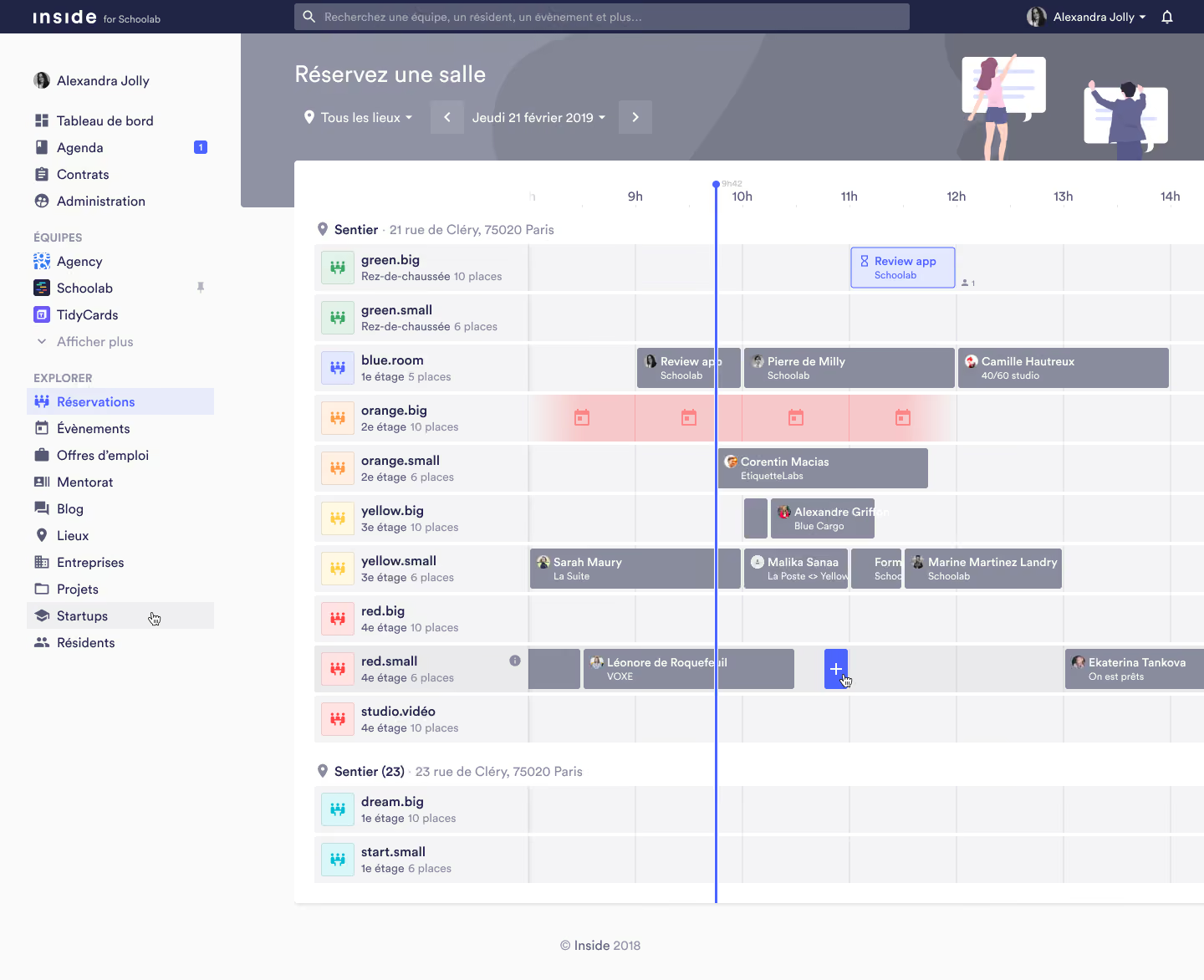
Regulating room usage quickly became a challenge. To ensure fair access across the coworking space, we introduced a statistics dashboard and implemented strict limits on the number of booking hours allowed per team.
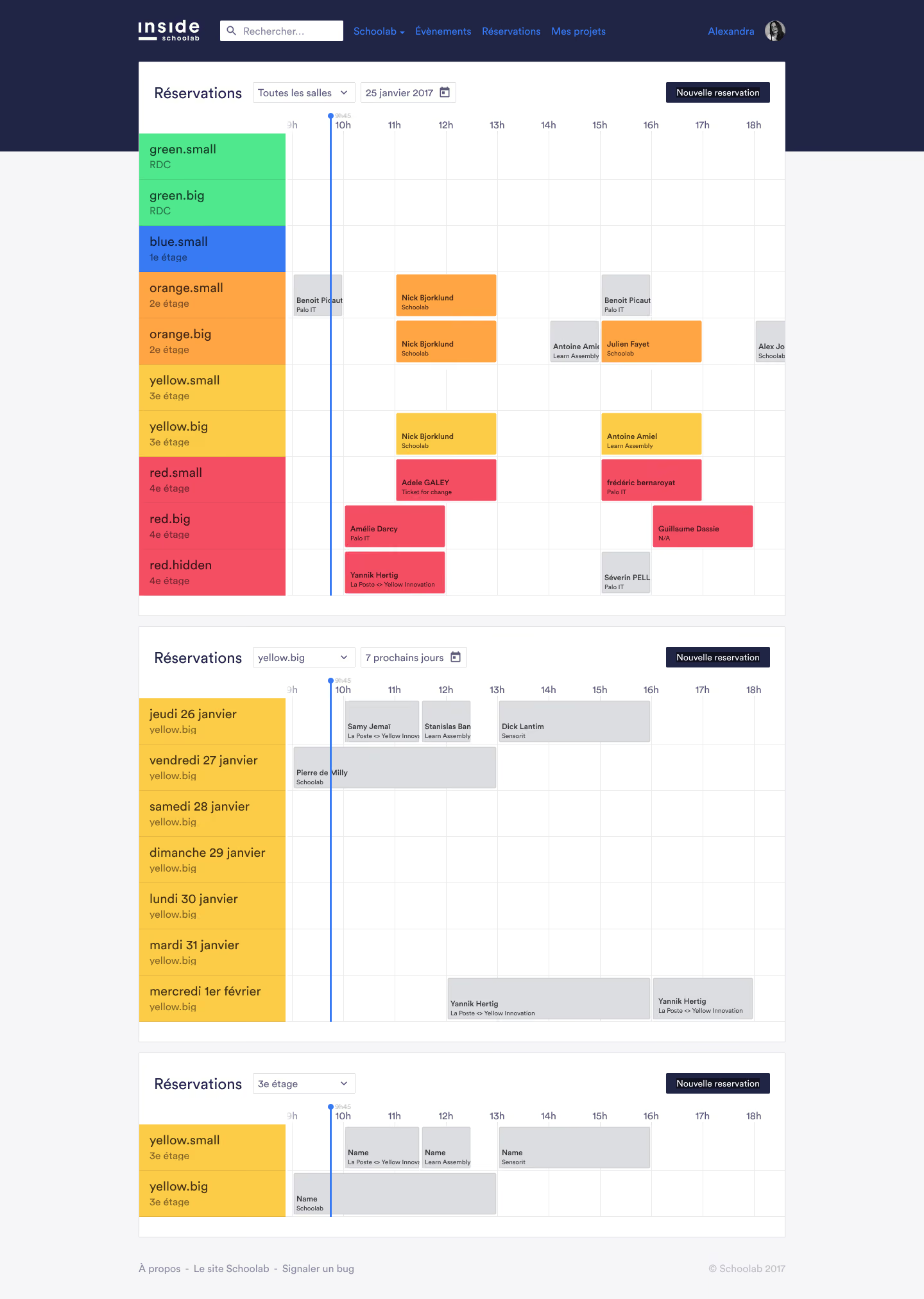
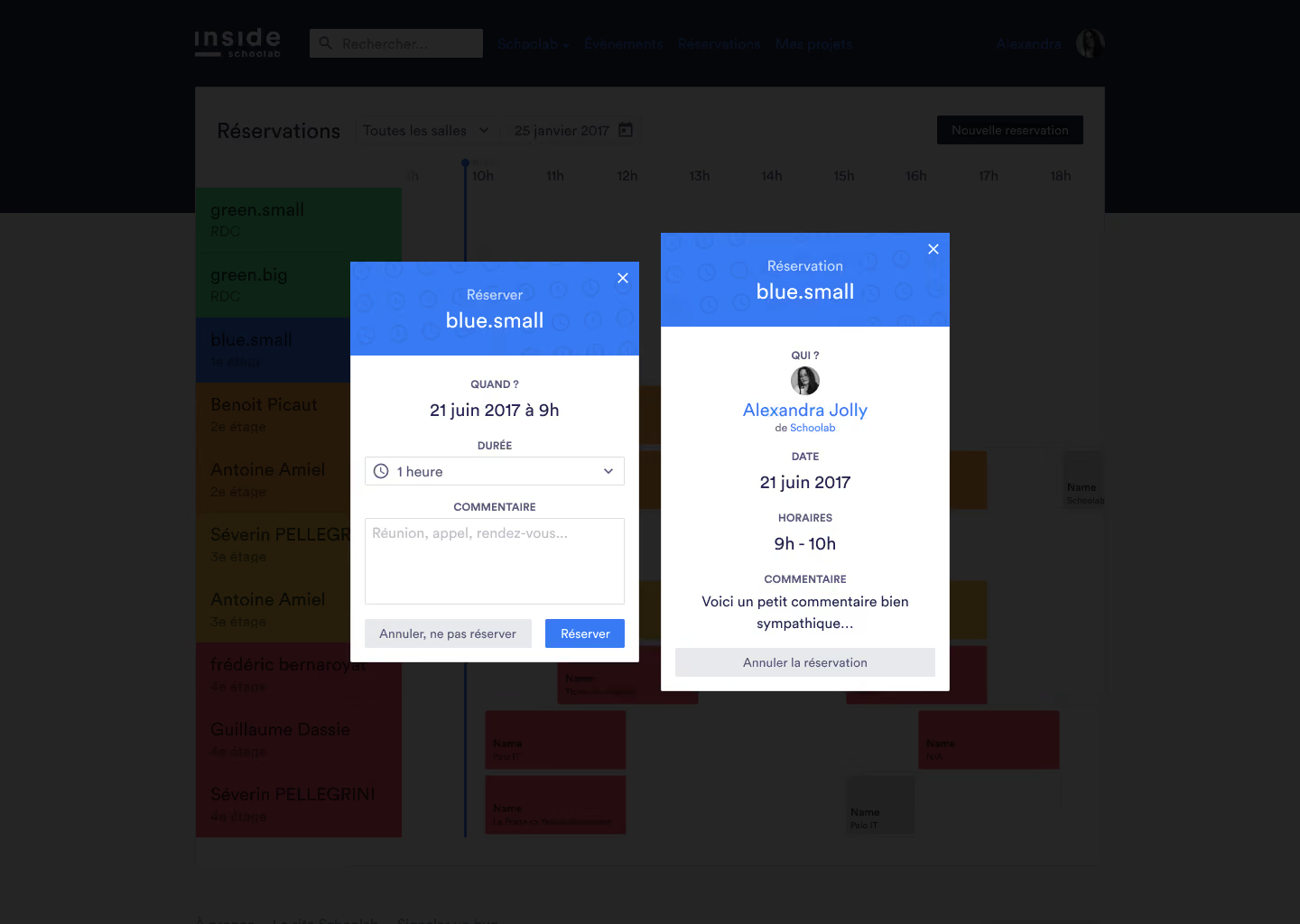
To improve the user experience alongside these limits, we upgraded the booking system to include a timeline. This allowed users to easily see which rooms were available at any given time of the day and book them directly from the timeline.

2018: Scaling the ecosystem
A UX overhaul focused on administration
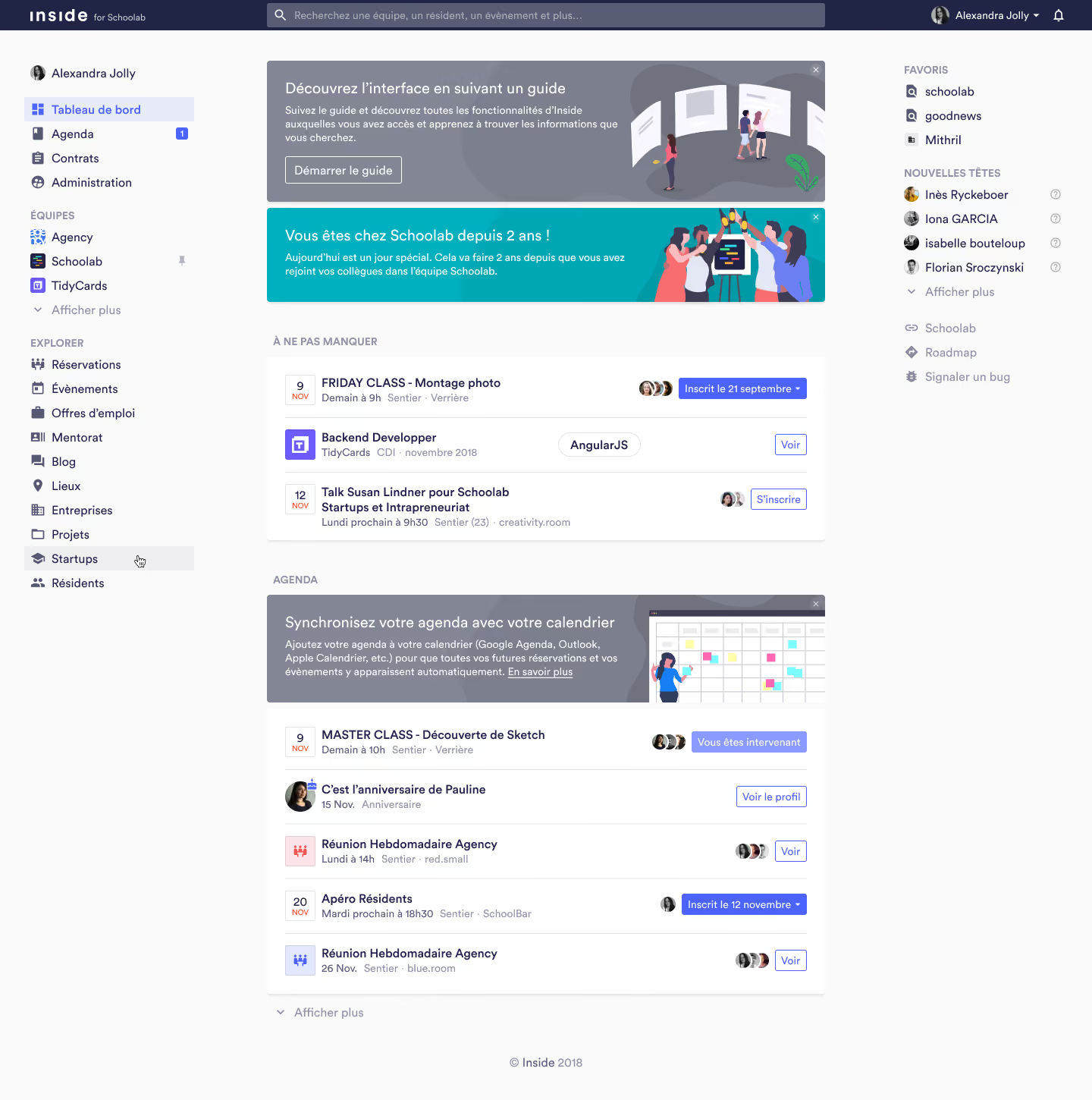
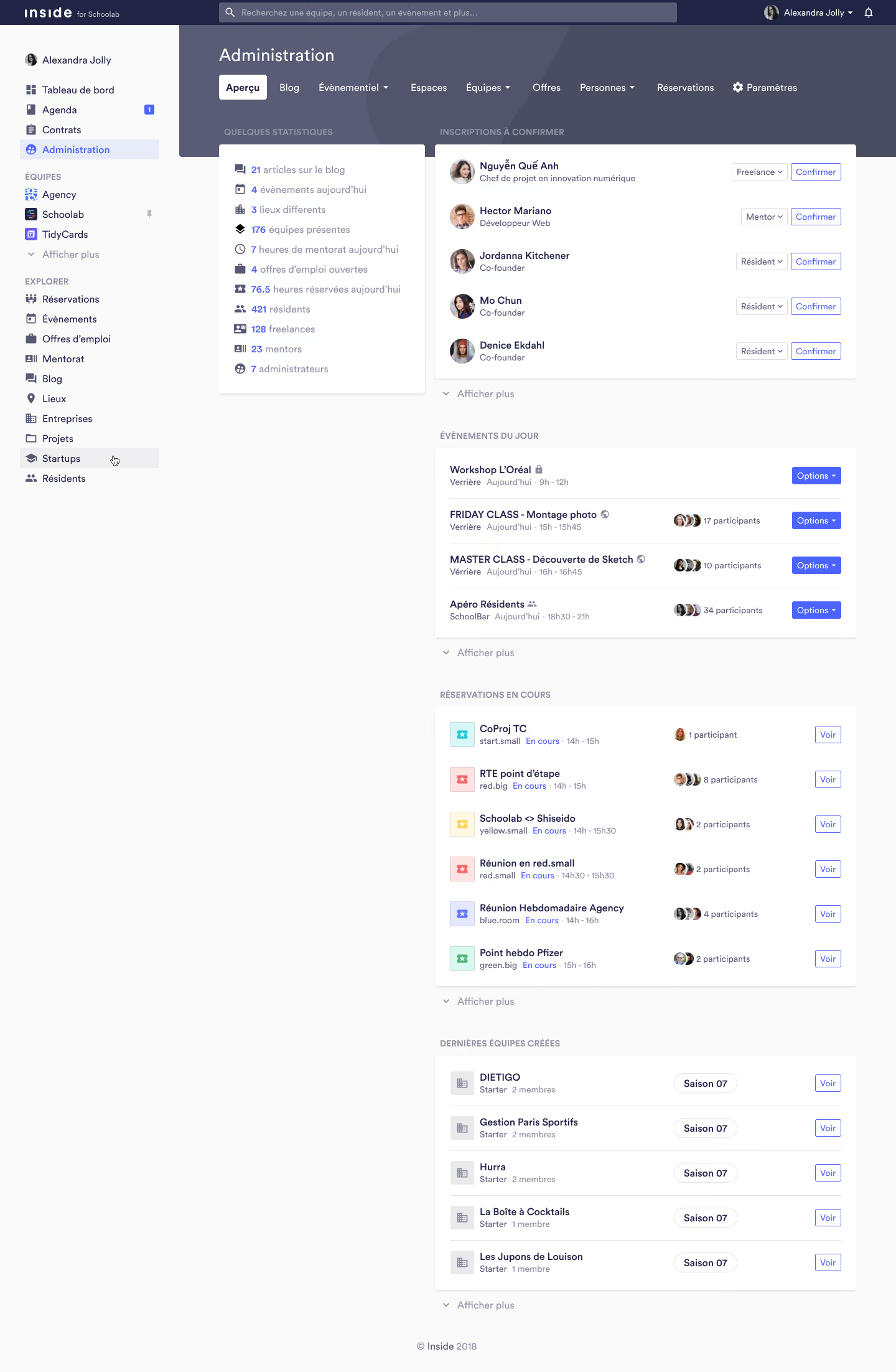
As features piled up and the platform grew, the managers were confused by the admin permission structures. To solve this, we designed and added a dedicated admin panel.
This major UX overhaul clarified the permission architecture, creating role-specific environments that separated member views from management tools.
Managing multiple locations
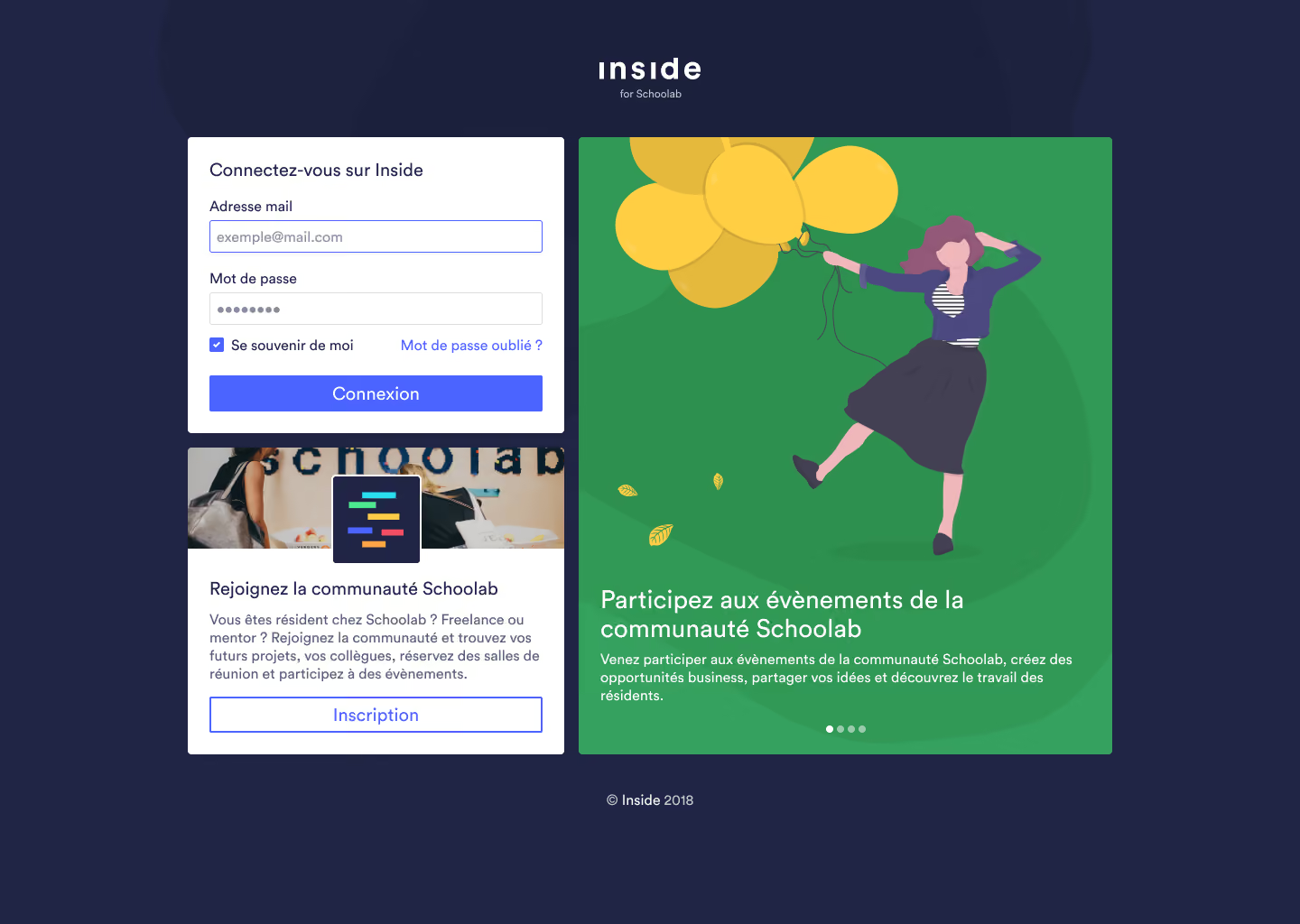
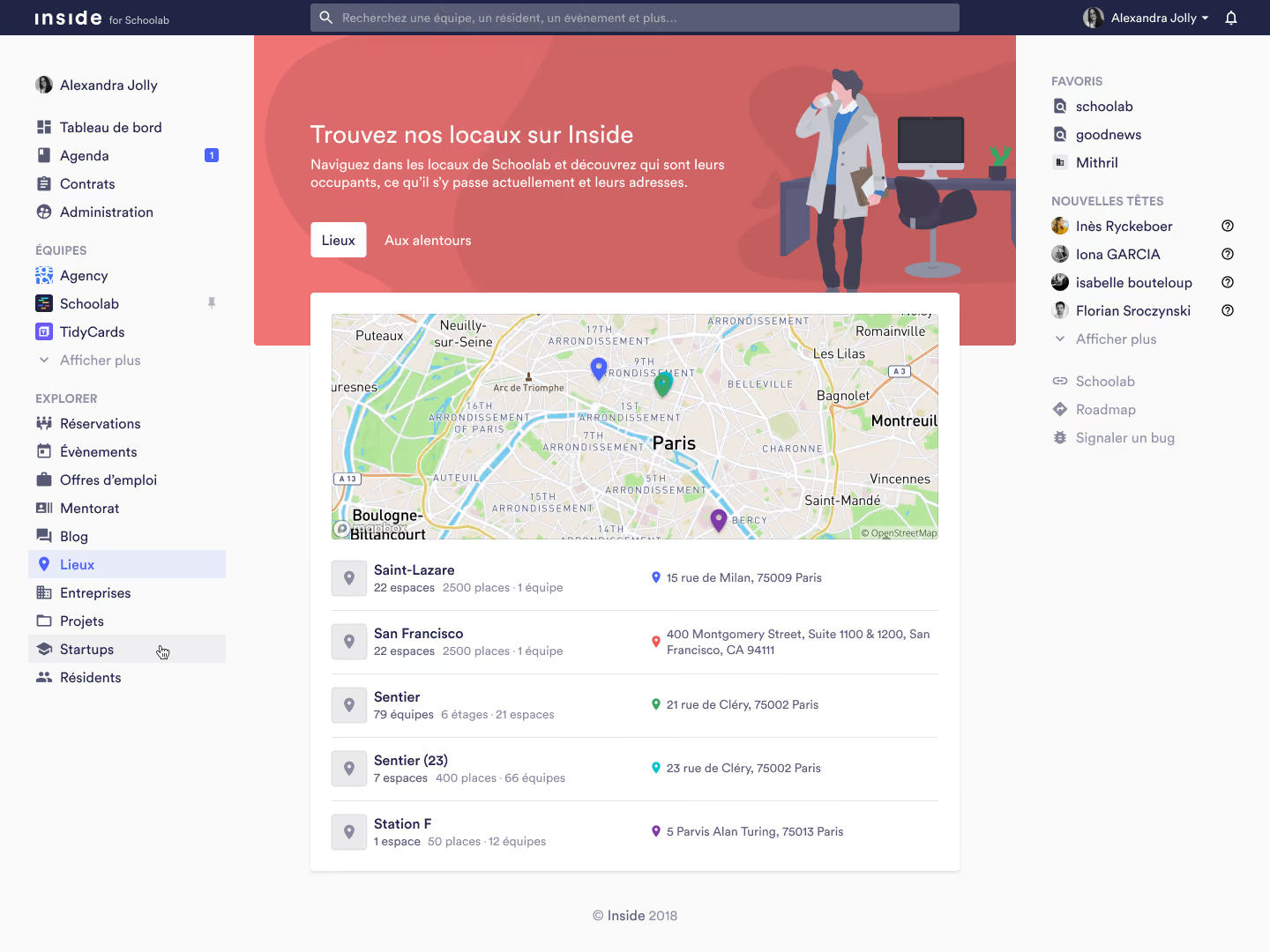
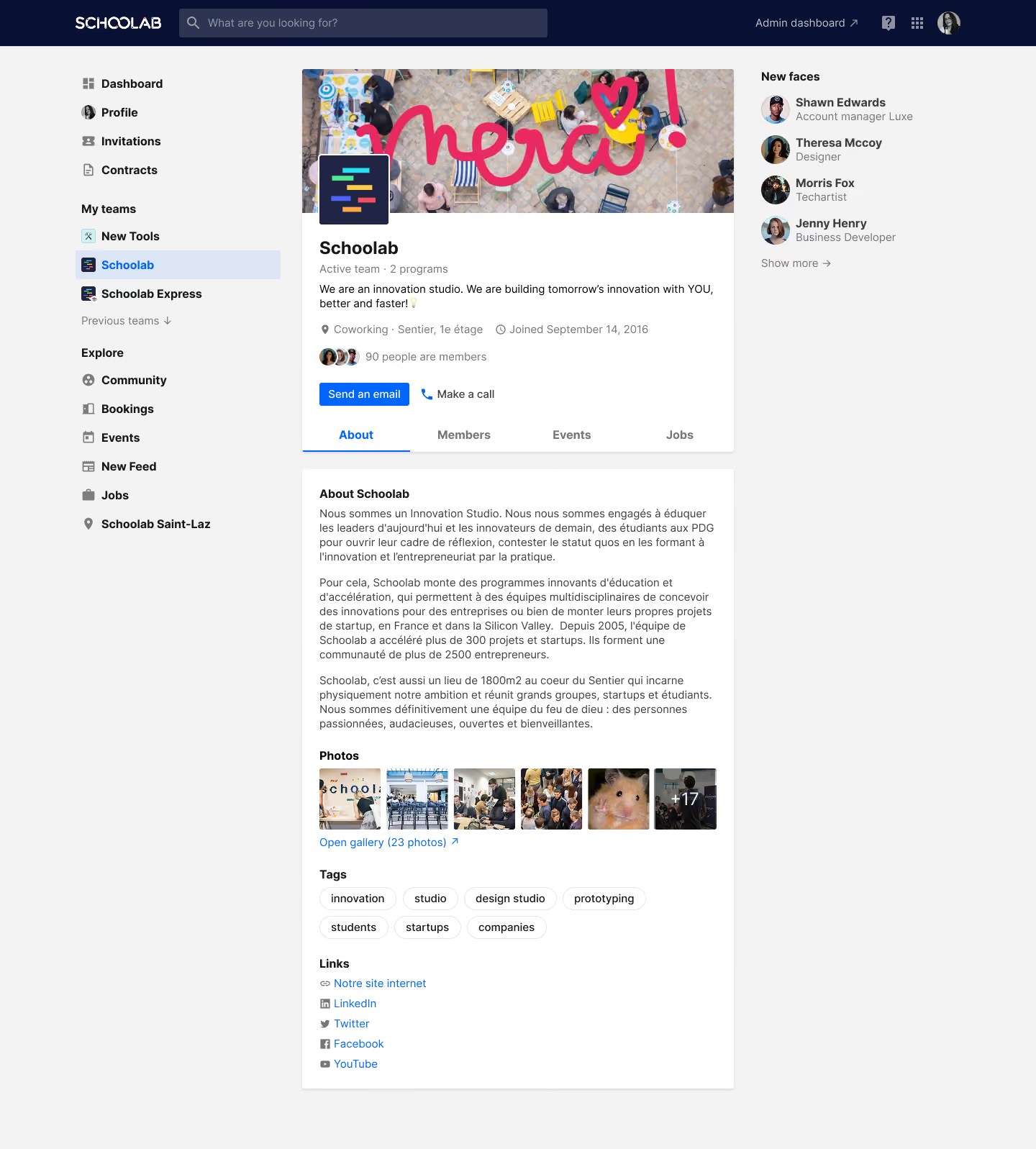
Because Schoolab opened several new locations, we had to introduce Locations and Spaces to strictly separate what residents could see depending on their location.
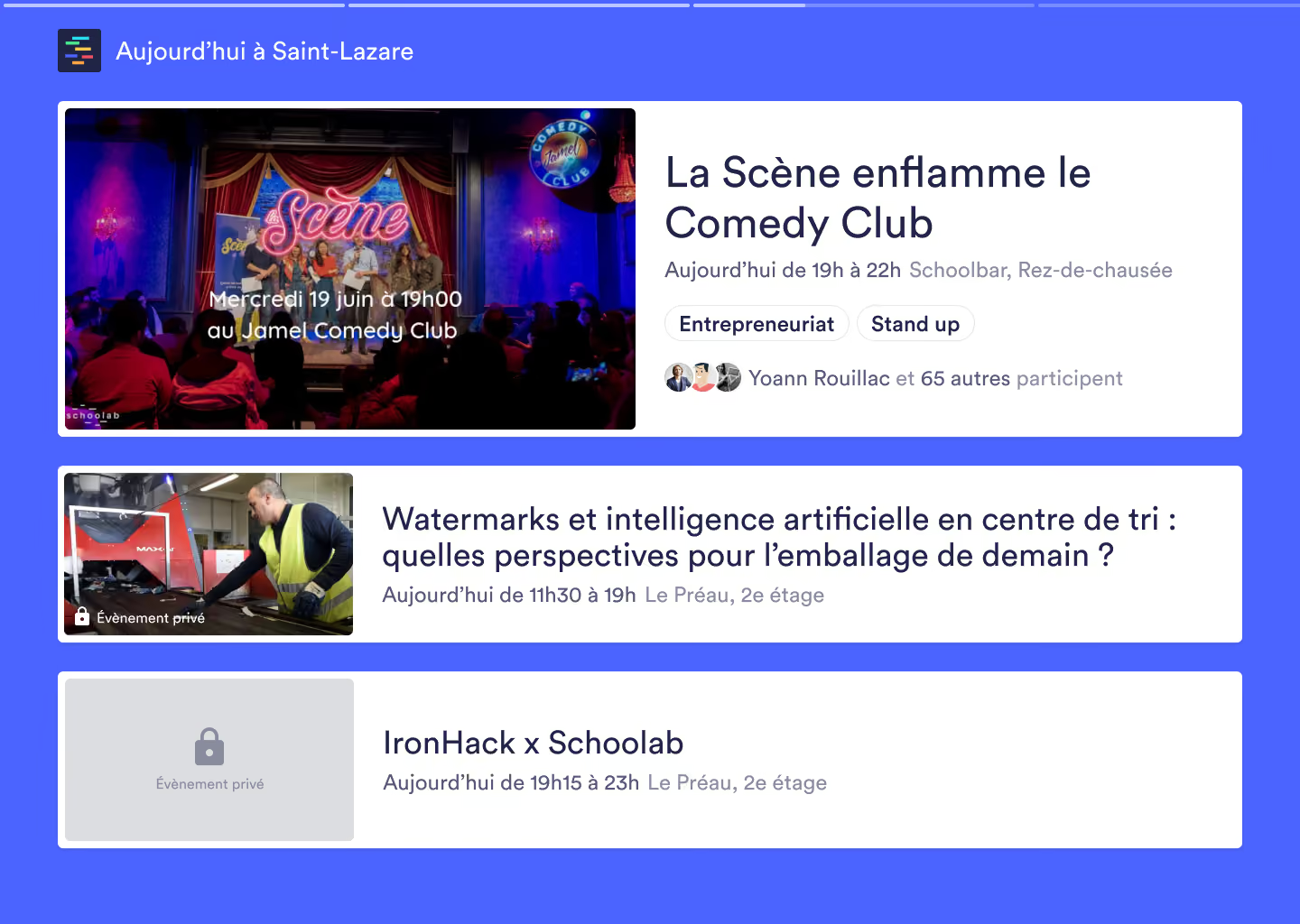
To support this Schoolab's expansion, we also added the ability to configure and manage signage screens specifically for each location.
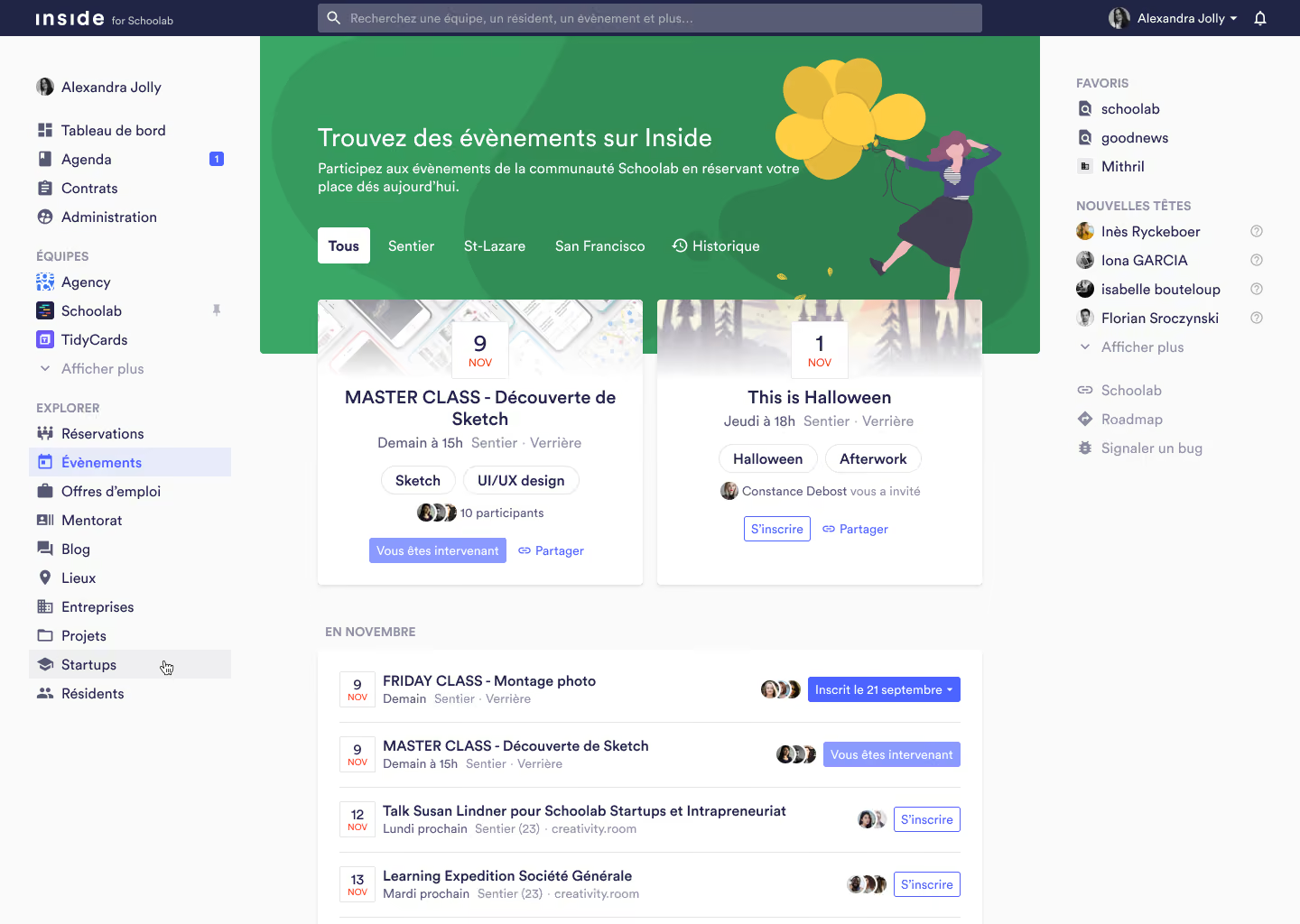
Spaces and specific Programs were attached directly to these locations, which in turn hosted their own teams and events. Alongside this, we also rolled out a fully functional event registration system.
Advanced space & booking controls
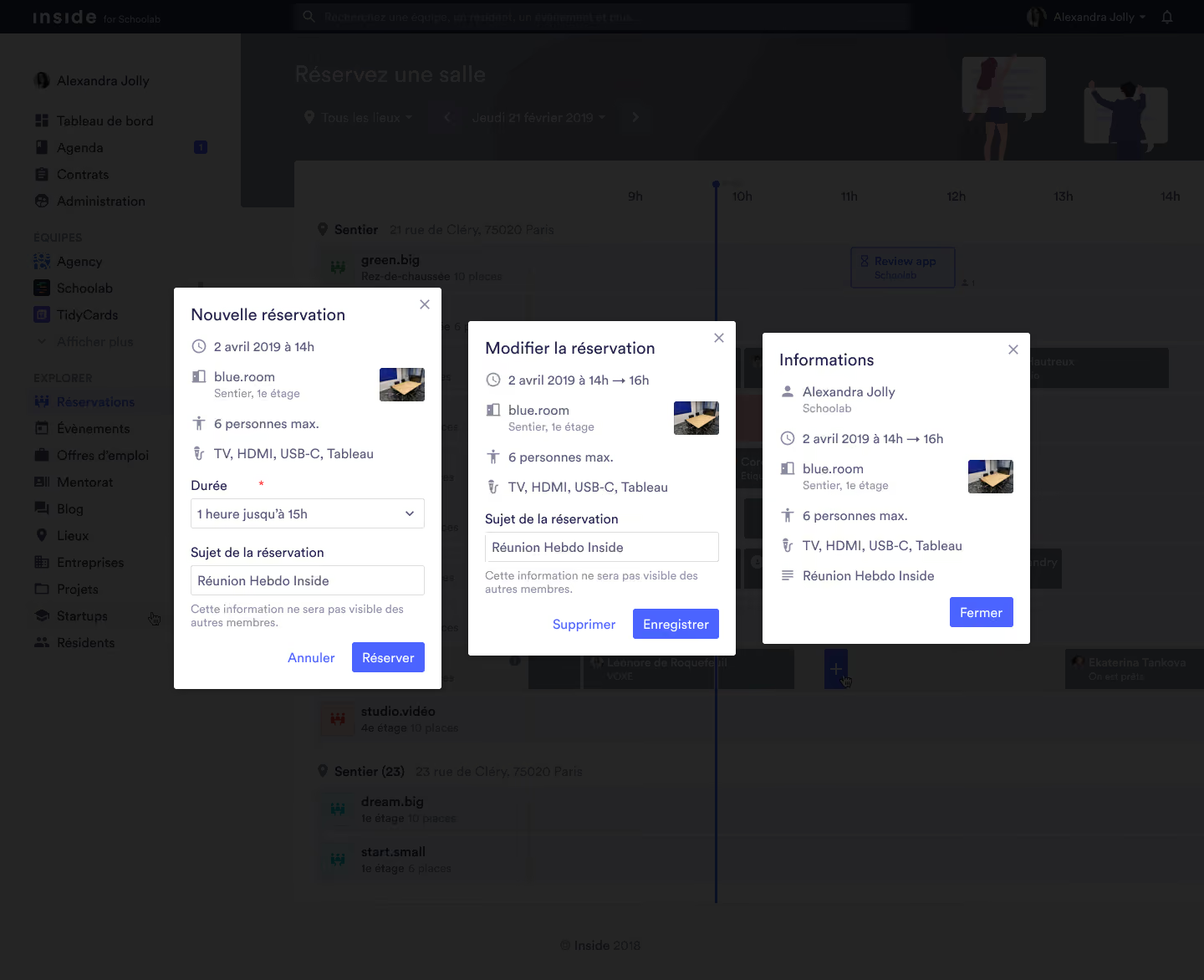
To give office managers more control, we added granular settings to bookings, including custom forms, booking durations, daily caps and limits on how far in advance a user could book.
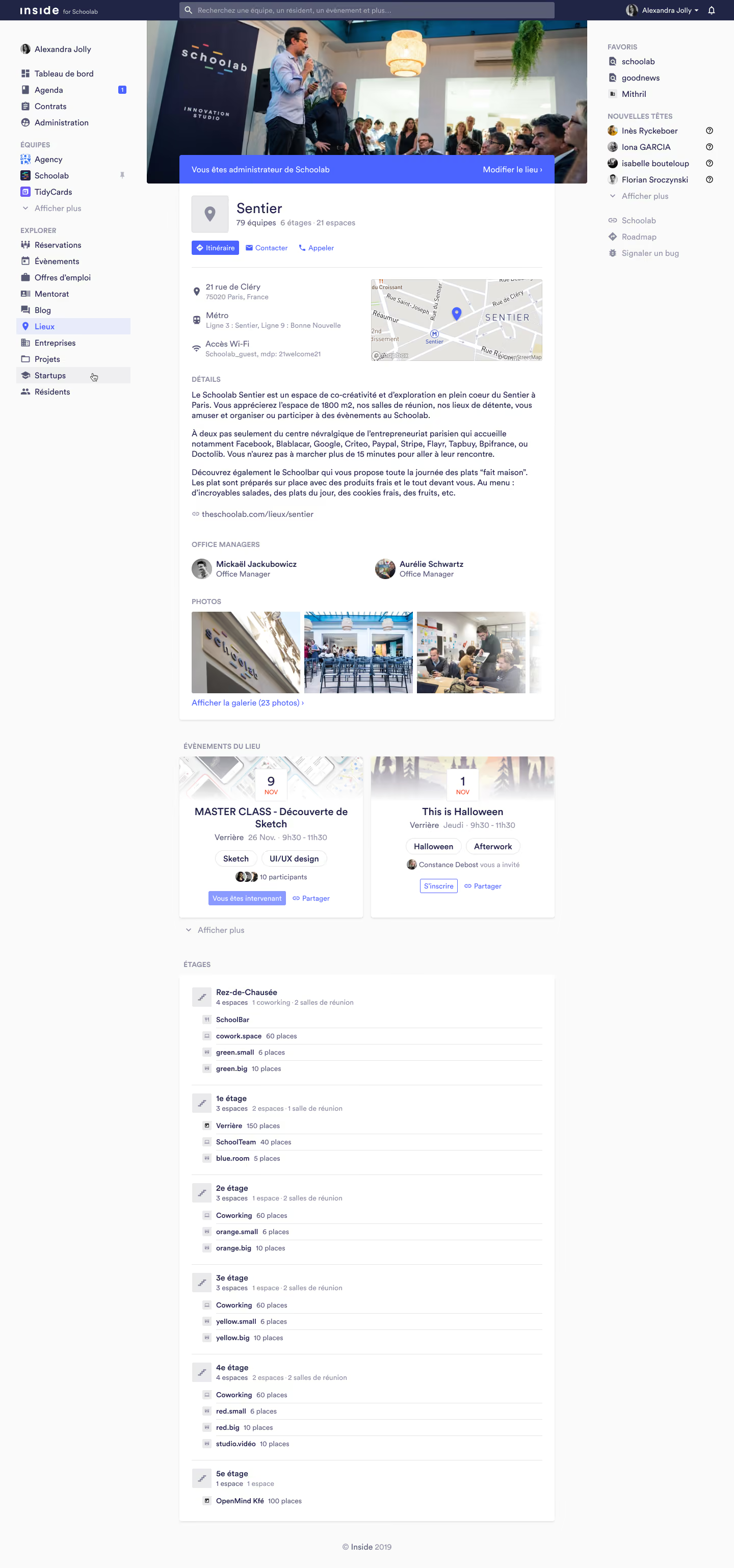
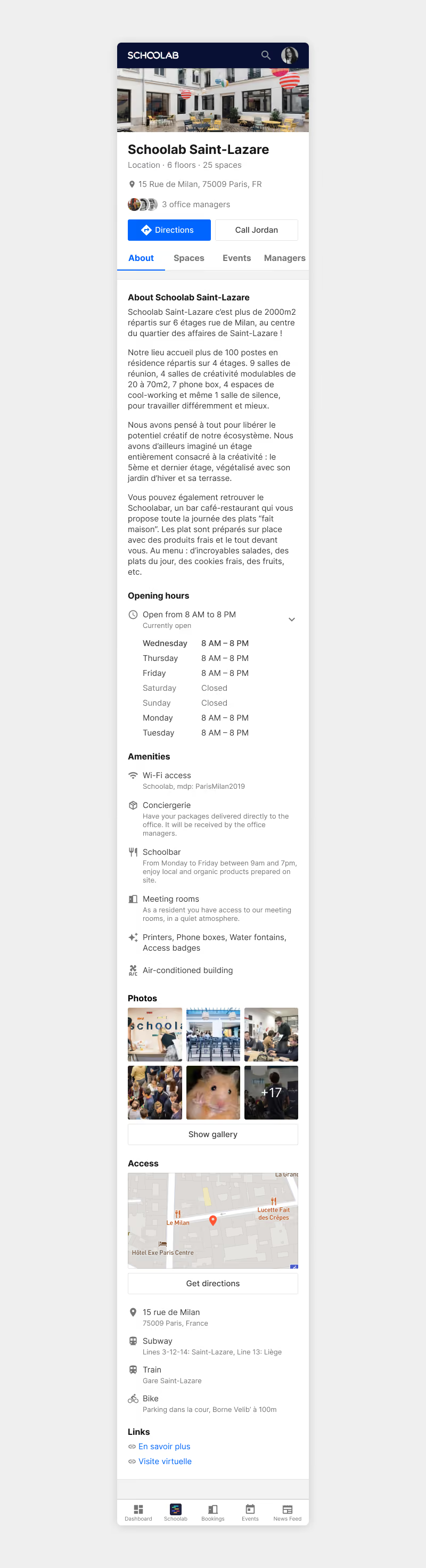
Location and space pages were enriched with critical details: Wi-Fi access, amenities, transport info, space capacity and a designated Office Manager as a point of contact.
We also allowed residents to invite external guests.

The birth of Inject
Started during v1 but officially released in v2, we integrated the management of Schoolab's acceleration programs. Teams were now assigned to programs: this new hierarchy allowed us to manage the increasingly complex booking quotas and rights.
During this phase, we also attempted to add project management features to teams. However, it quickly became apparent that this made the platform too complex. To keep Inside focused on building and community management, we decided to separate the use cases entirely, which led to the creation of Inject.
2019: A mobile‑first, interconnected platform
A unified Design System & mobile-first approach
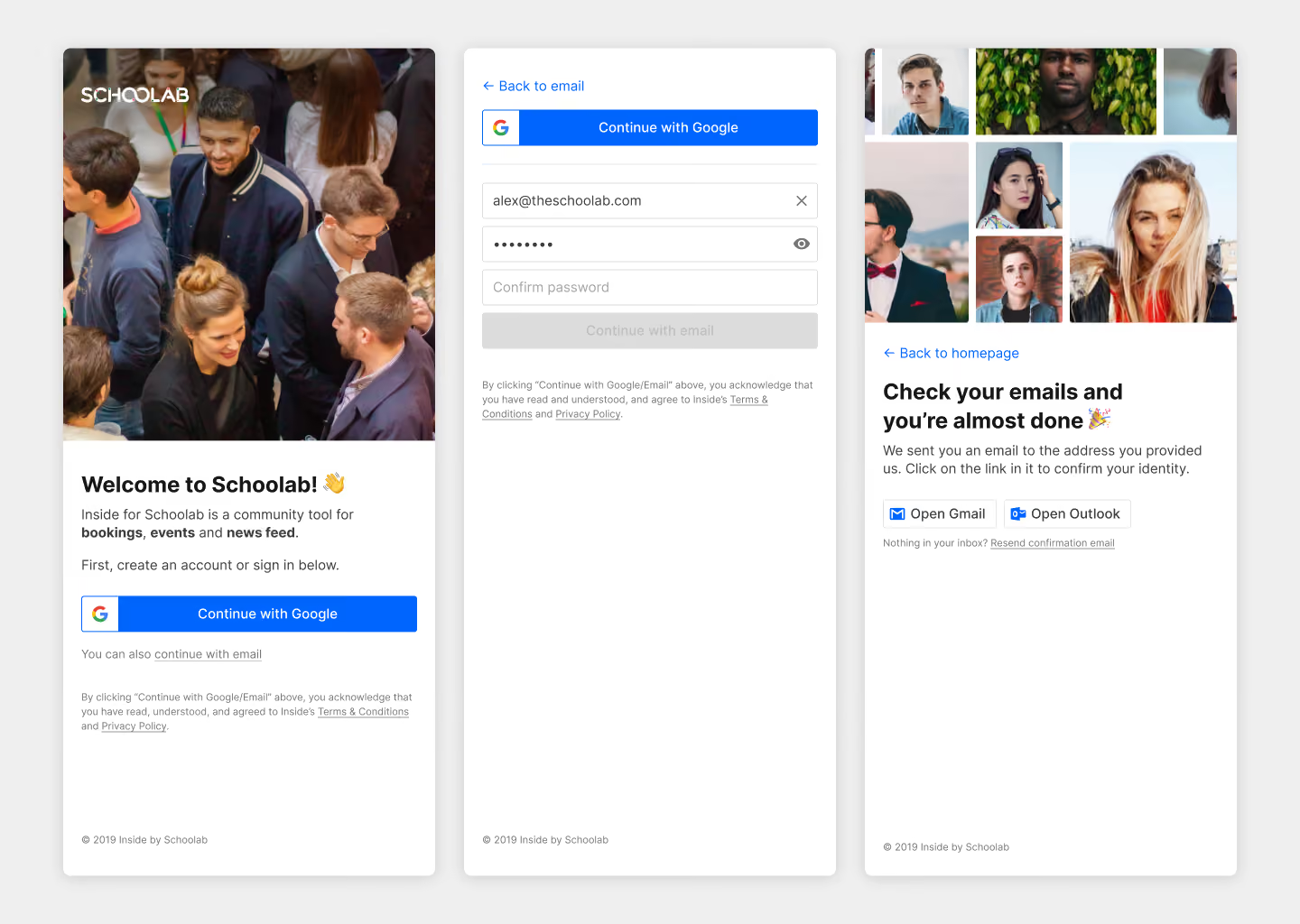
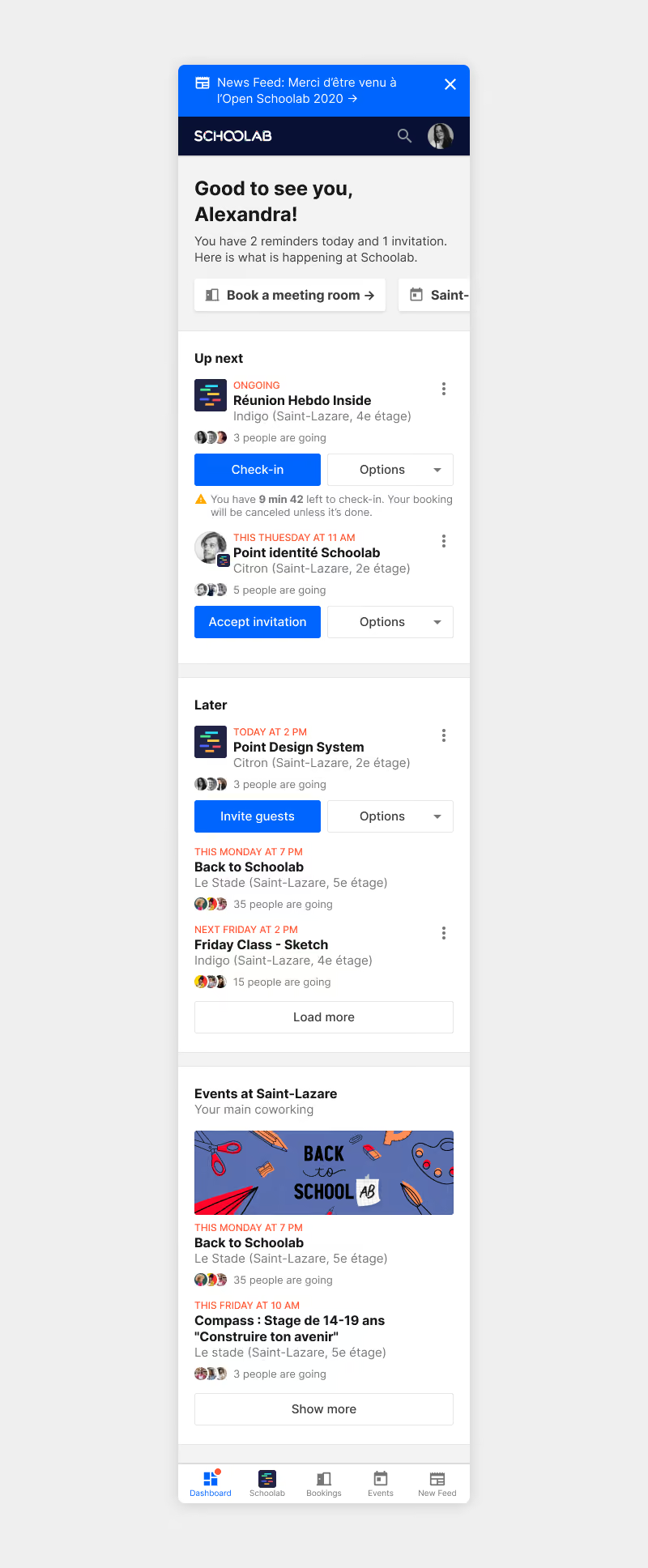
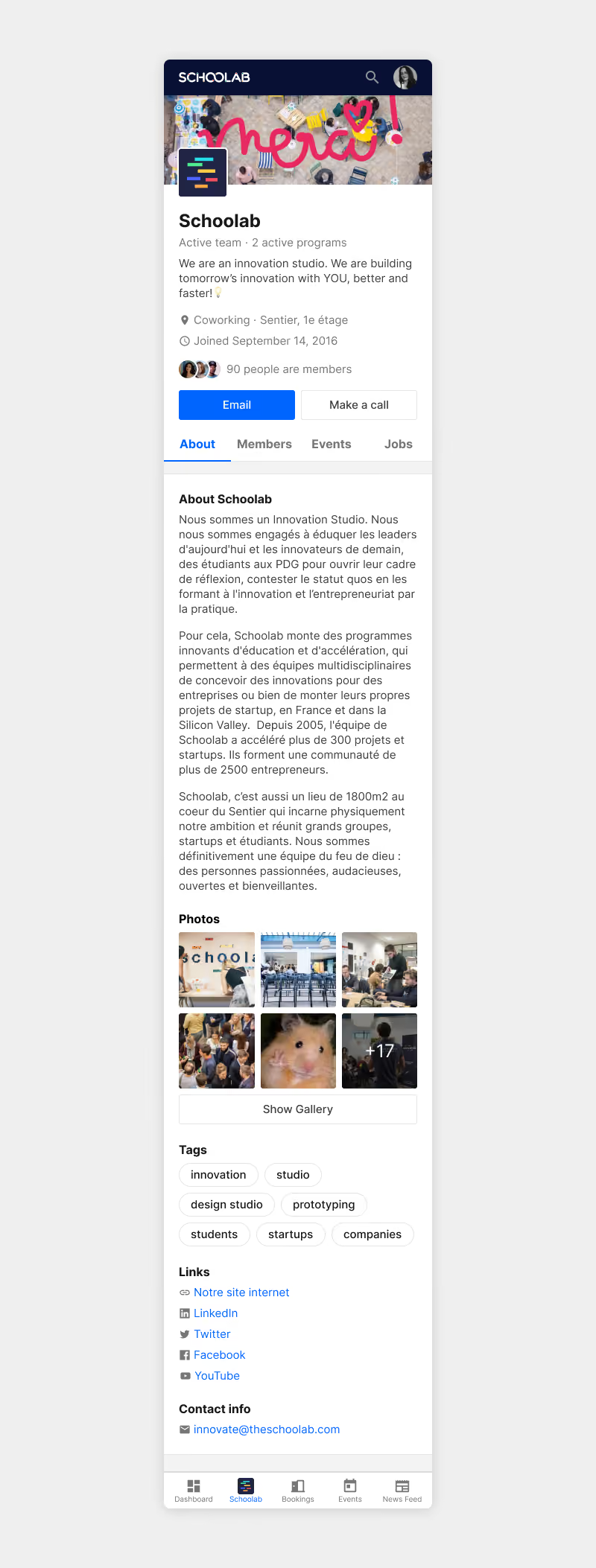
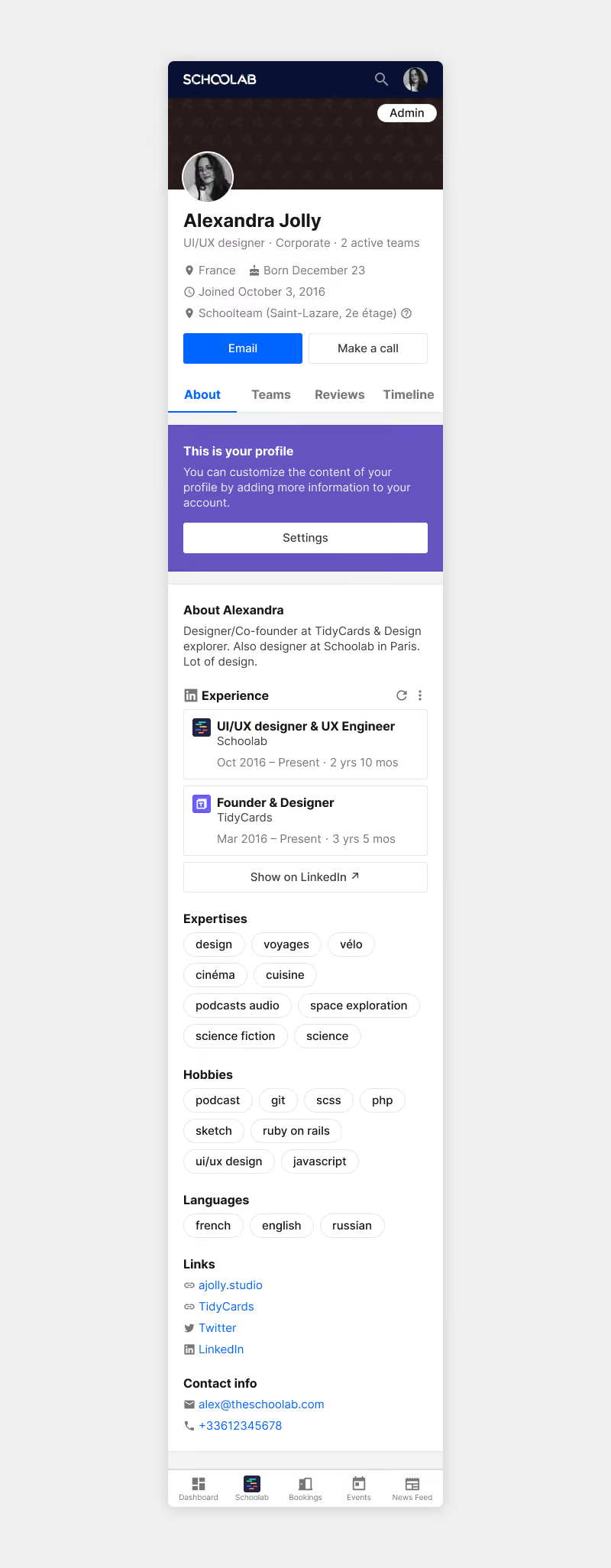
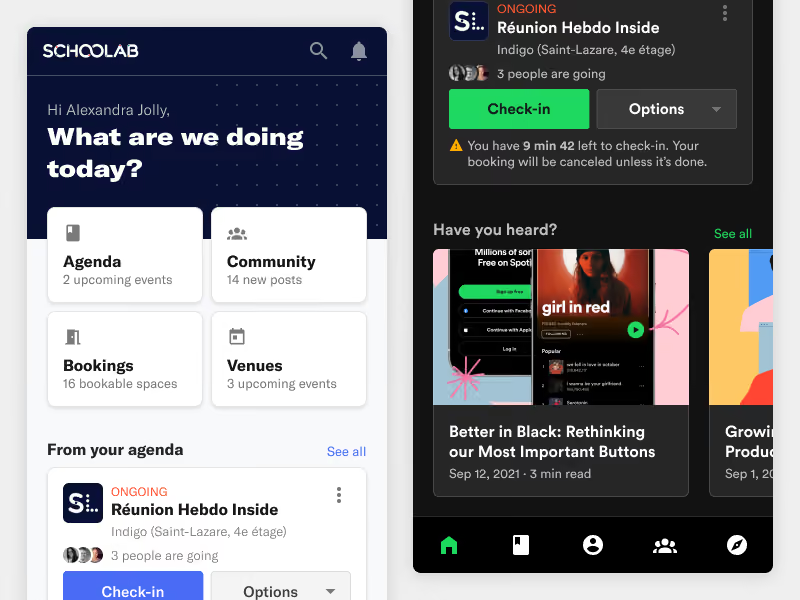
Having clearly defined the distinct use cases for Inside and Inject, we started working on a new version built on a shared Design System. The strategic goal for v3 was clear: transitioning Inside from an internal operational tool into a fully‑fledged, white‑label SaaS product ready to be sold to external clients.
Every new feature was built with this commercial pivot in mind. We also shifted to a mobile‑first approach, making sure residents could easily use the platform on the go, while still providing a robust desktop experience.
Supercharging event management
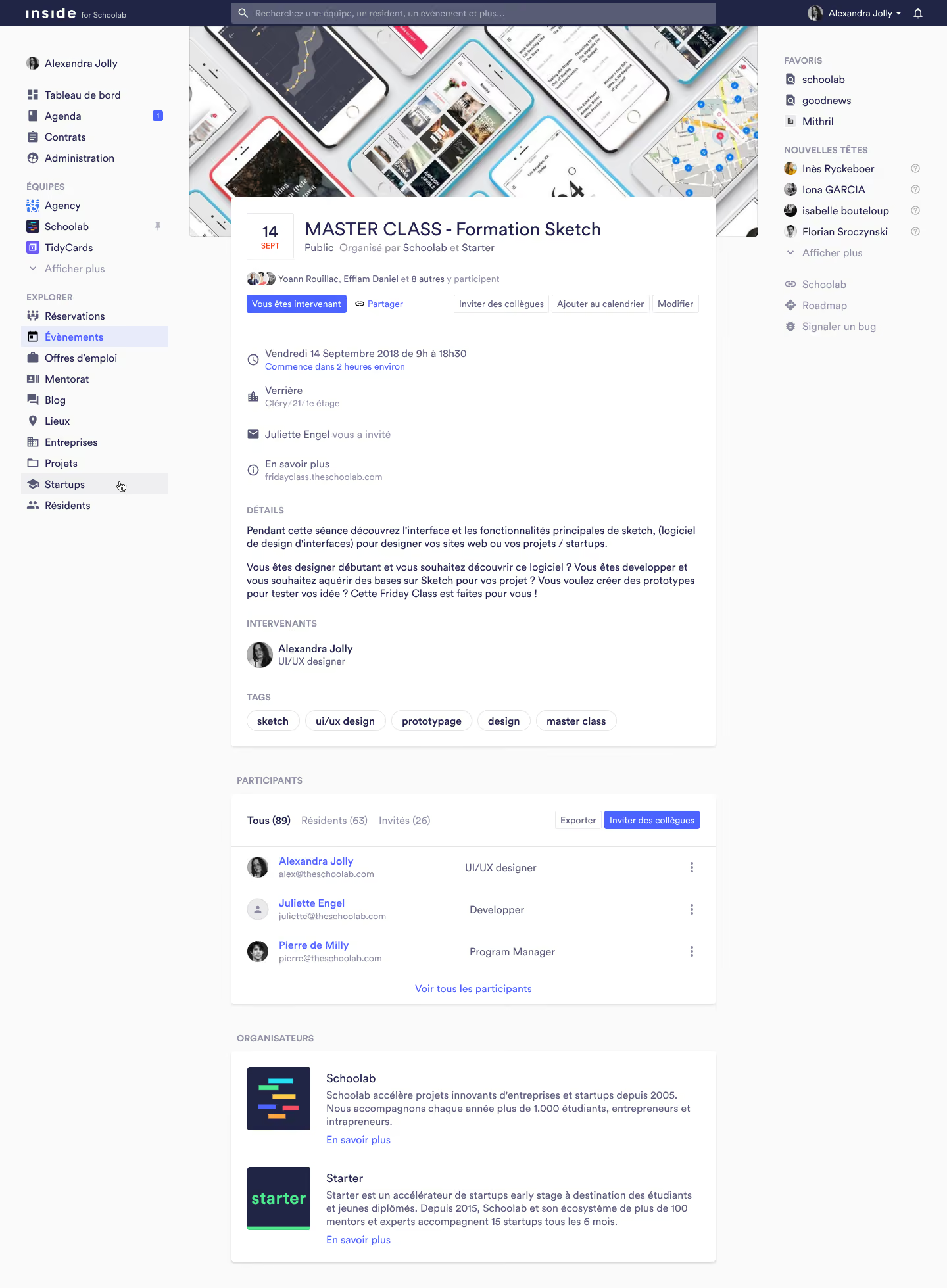
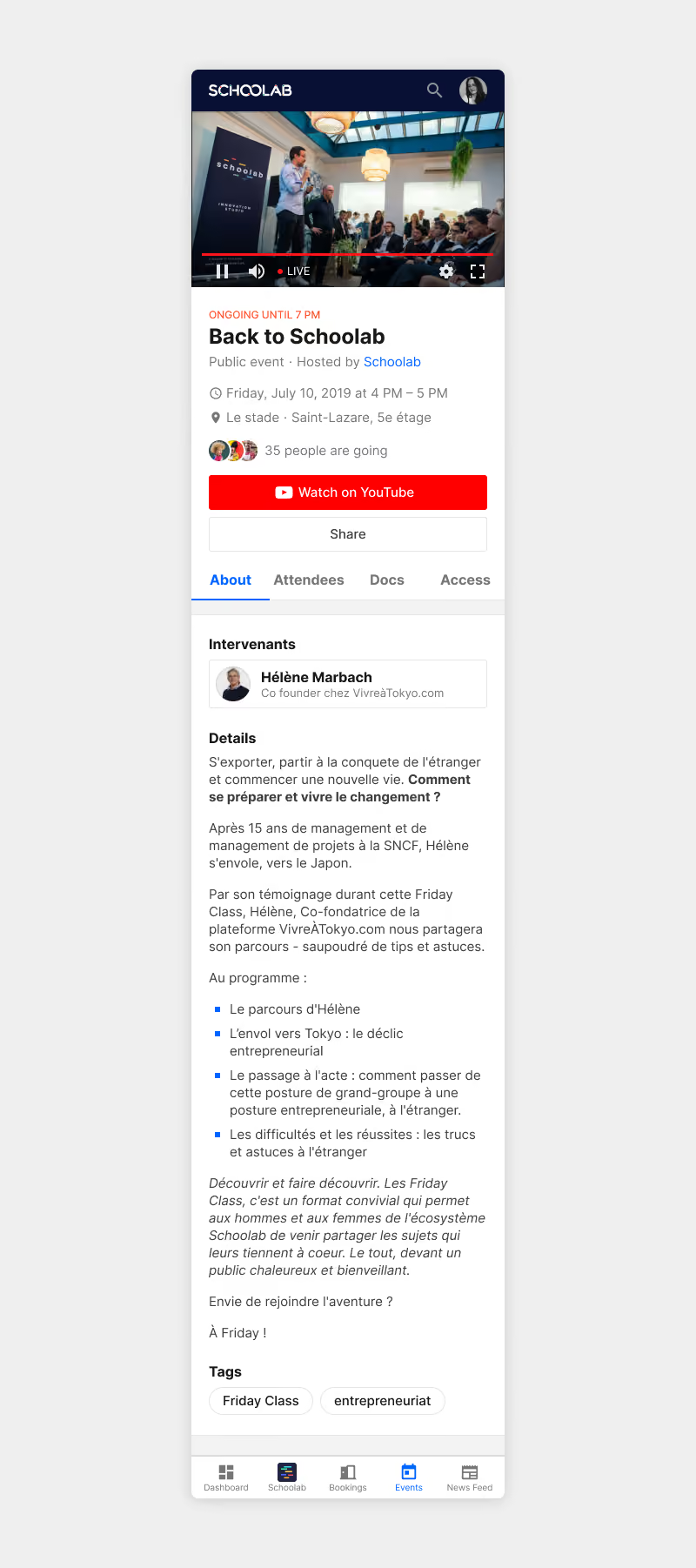
We entirely revamped the event experience, moving complex operations like setup and event timelines out of Google Sheets and directly into the platform. Making Inside the single source of truth for our events.
The new event module handled:
- Logistics: External ticketing (for paid tickets), support for external venues, an event timeline and catering orders via our internal restaurant (Schoolbar).
- Engagement: Speaker management, document sharing, guest lists, participant lists, live streams and replays.
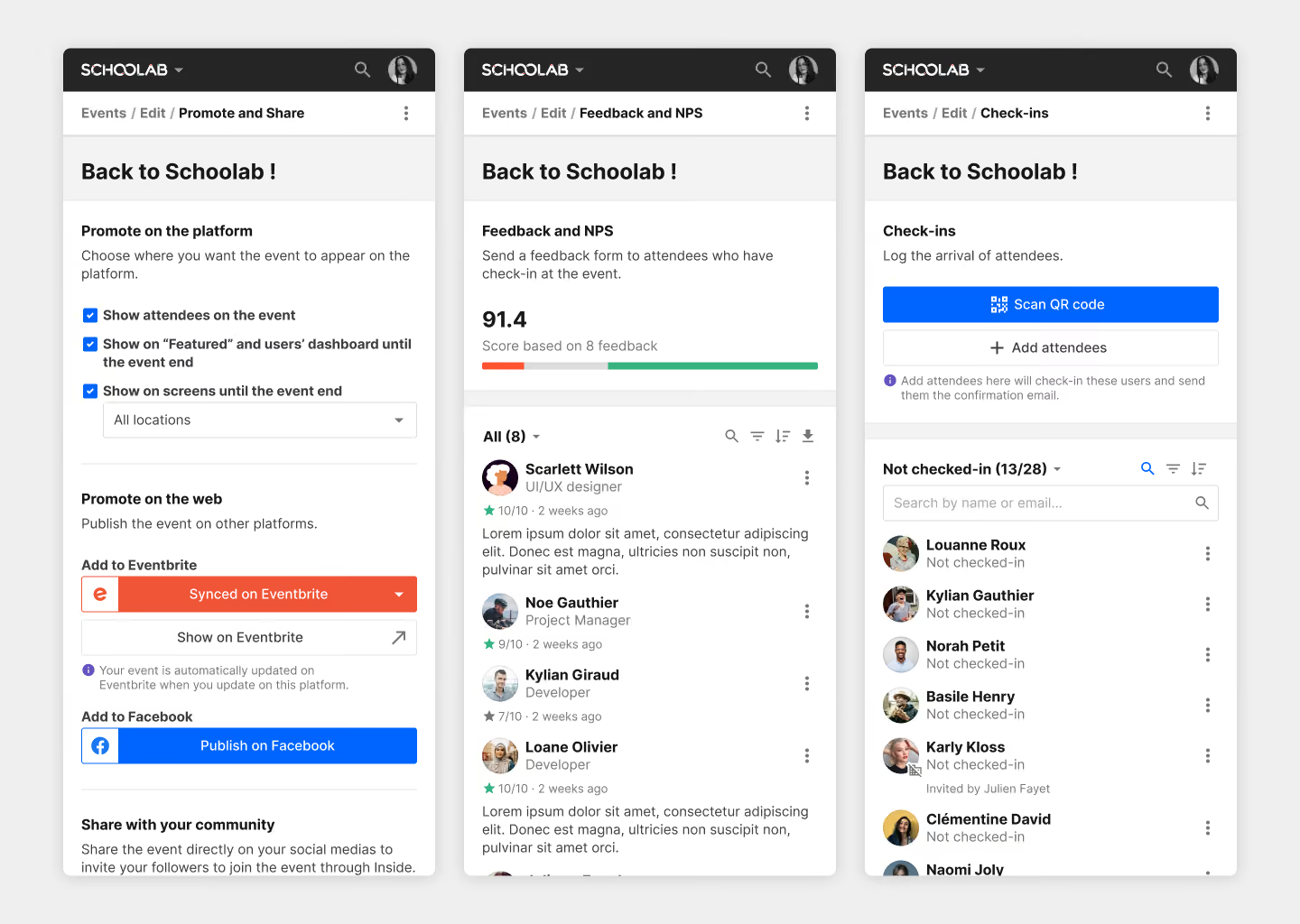
- Marketing and tracking: Direct promotion to Eventbrite & Facebook, social sharing, on-site check-ins and post-event NPS surveys.
Empowering the community & operations
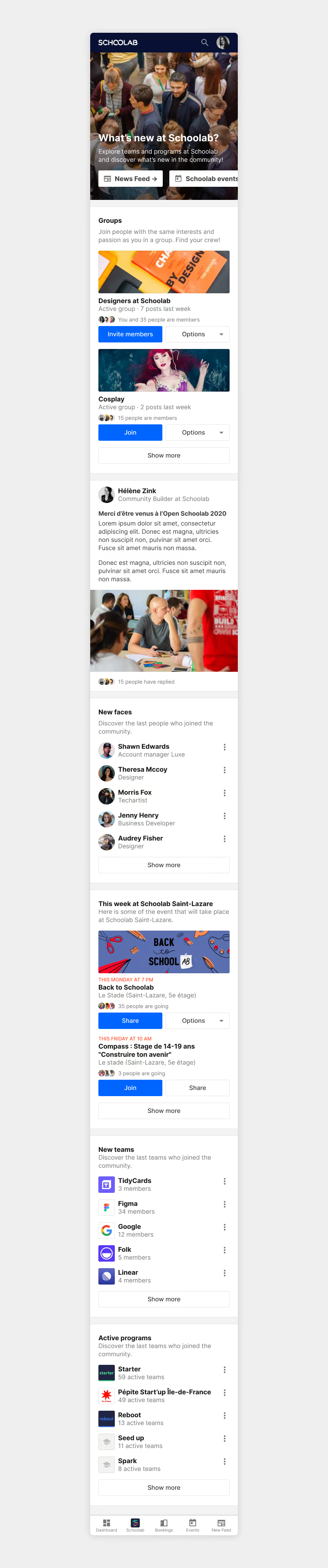
We introduced a newsfeed to broadcast updates directly to residents and to the screens across the workspaces. User management became much more robust with custom onboarding flows and an application review system.
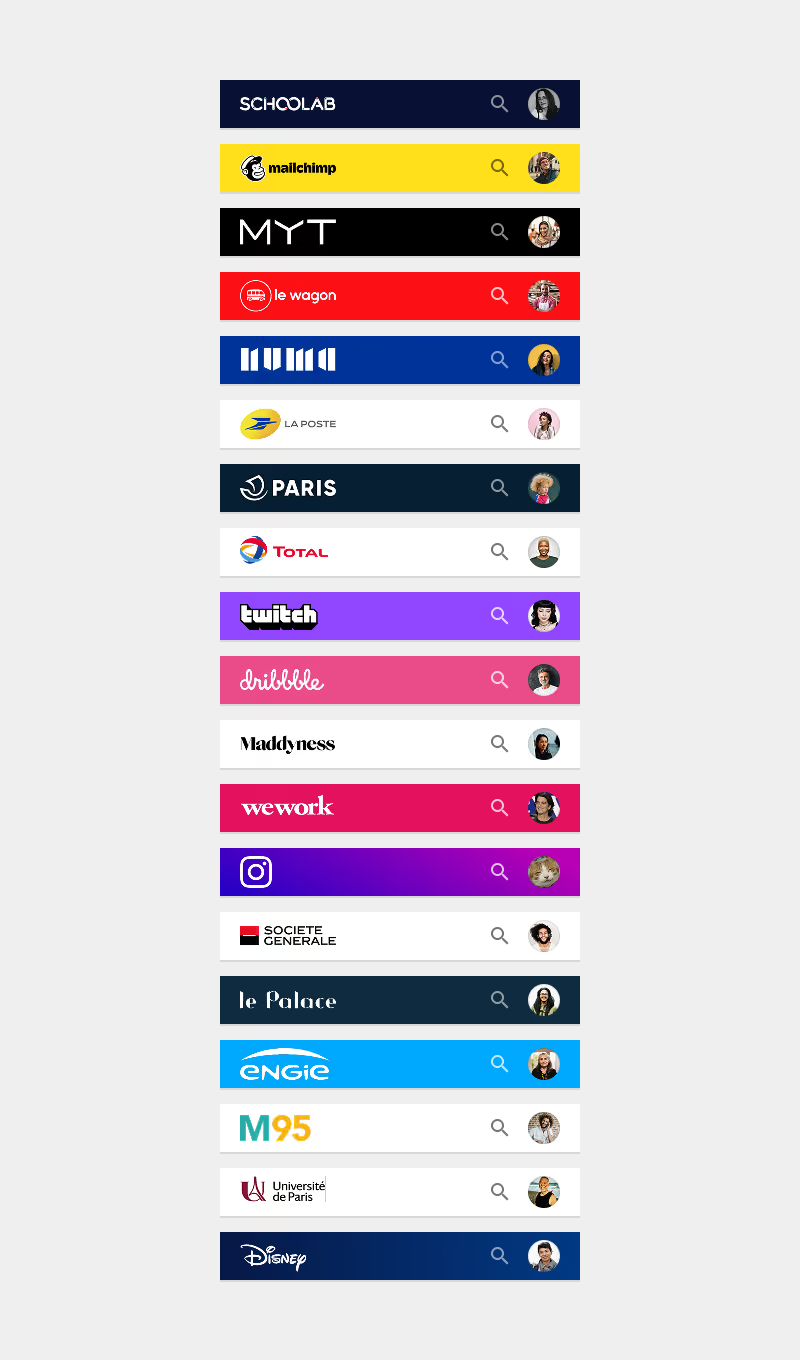
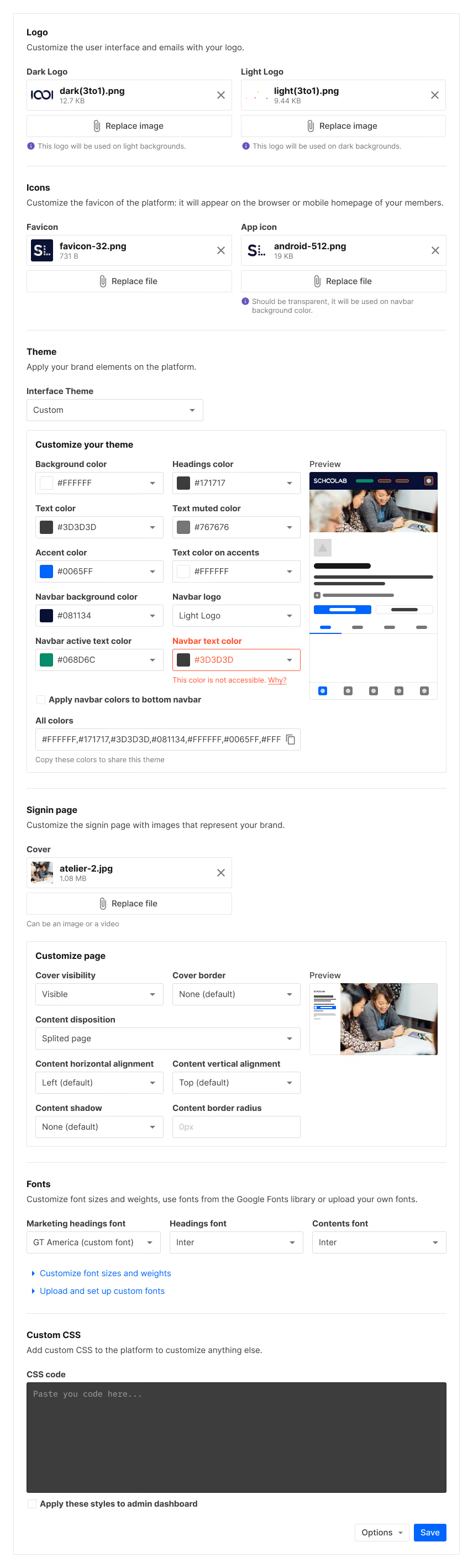
To support our B2B sales model, we added customization options: multiple languages support, white‑label branding, customizable policies and connections to external services like Zapier, Eventbrite and social networks, allowing any client to connect the platform to their tools.
Connecting to the business: contracts & billing
Finally, we tackled the commercial side of running a workspace. We began building out a system to manage residence contracts for office and desk rentals. This included e‑signatures, billing plans, products, payments, and accounting integrations, turning Inside into a true end‑to‑end management tool.
Bridging design and code together
Throughout the first two versions of Inside, my role extended far beyond design. I was heavily involved in both front-end and back-end development. During the v1, I even developed and shipped entirely new features myself.
Handling both the UX/UI and the technical implementation simply allowed me to move fast, ensuring the final product stayed completely true to the designs.
Outcomes & sunset
After successfully running Schoolab's spaces for several years, the COVID‑19 pandemic completely disrupted the use of physical workspaces. As a result, the product was eventually sunsetted two years later.
Despite its closure, designing Inside was a pivotal product milestone. It laid the architectural foundation and core components that later allowed us to develop and scale our main platform, Inject, to an entirely new level.
More information
Contributors

Client

We worked together
I had the pleasure of working with Alexandra for several years on my team in her role as a Product Designer. She quickly established herself as a versatile professional—creative, rigorous, and highly solution-oriented.
She worked with agility across a wide variety of digital projects, including client missions, but most notably on our internal tools such as Inside (a coworking space management app) and Inject (our innovation program management platform).
Alexandra designed and maintained a comprehensive design system that provided structure and aligned with SaaS application standards. She possesses a deep understanding of web design and has the ability to deliver interfaces that are modern, consistent, and efficient.
Her knowledge of front-end development greatly facilitated collaboration with our tech teams. She is just as capable of prototyping and testing solutions as she is contributing to strategic discussions.
She is a well-rounded, reliable designer who is always proactive. Working with her was a real asset to the team.

Pierre Leméteil
I have had the privilege of working with Alexandra for over 10 years, across various projects and companies.
She is one of the most passionate, dedicated, and demanding Product Designers I have ever met. She brings her attention to detail, product thinking, and her ability to always advocate for the user experience, without compromise.
I sincerely hope to work together again in the future!

Pierre de Milly
I had the pleasure of working with Alexandra for several years at Schoolab. We collaborated closely on Inside, our internal platform for managing spaces, meeting rooms, and events.
Throughout our collaboration, Alex consistently demonstrated professionalism, strong organizational skills, and an outstanding ability to bring people together around shared goals. She navigates complex, fast-paced environments with ease and always approaches challenges with a thoughtful, solution-oriented mindset.
Beyond her technical and organizational strengths, Alex is a reliable, collaborative, and genuinely supportive teammate.
She creates a positive working environment while maintaining high standards of quality and execution. I would gladly recommend Alex to any team looking for someone who combines expertise, leadership, and a pleasure to work with.

Juliette Engel
Alexandra is a top-quality Product Designer. She possesses an exceptional digital design culture, complemented by strong front-end skills. She is both exacting and rigorous. I warmly recommend her.

Julien Fayet
My other works

Want to work together? Contact me!
Connect with me on LinkedIn with a message.